LAWLS Bookstore

Monday, June 14, 2010

Hot Off the Press!


Kaye Bailey, EzineArticles.com Platinum Author

Apples and Exercise Promote Body Fat Loss After Weight Loss Surgery
For some exercise enthusiasts carbo-loading is key to supplying the body with adequate energy for extreme workout sessions. But for the rest of us the simple apple may be the best carbo-loading secret around when it comes to supplying the body with energy before a workout. Read More

Three Keys to Lasting Weight Loss Surgery Success
Nearly a quarter-million people in the United States will undergo weight loss surgery this year to arrest their morbid obesity and lose weight. In spite of the drastic nature of gastric surgeries not all patients will reach a healthy weight and some may eventually regain weight they lost initially with surgery. Bariatric surgeries help arrest the disease by reducing the amount of calories a person may eat, but the surgery does not remove the disease. With patient compliance weight is lost and obesity can be put in remission.
Read more

Dietary Sensibility Prevails Even With Weight Loss Surgery
Even though the standard for pre-surgical education has been elevated for bariatric patients seeking treatment for obesity with weight loss surgery a certain silliness prevails among both patients and the public suggesting surgery is the easy way to lose weight and lifestyle changes are not necessary to affect weight loss. The notion that simply eating less of the things we were eating at the height of our obesity as a means to losing weight is absurd. Read more

Weight Loss Surgery, Vegetarians and High Protein Diet - Putting it All Together
Vegetarians who are suffering from morbid obesity and undergo weight loss surgery for the treatment of obesity are challenged to follow the weight loss surgery high protein diet when they do not partake of red meat, poultry, fish, or seafood. The first rule of a bariatric diet is to eat protein first: at least 60 percent of dietary intake should be protein. Low glycemic carbohydrates and healthy fat provide the remaining 40 percent dietary intake. Read more

Friday, June 11, 2010

FREE Gift - LivingAfterWLS General Store

Celebrating 1,000+ Facebook Friends of LivingAfterWLS

This Weekend Only - Free Gift with all Orders in the General Store
Know Your Numbers Journal - $4.95 Value - No Coupon Necessary! No Minimum Order!

Place your order now! We will include your journal FREE! Our appreciation for being a Friend of LivingAfterWLS!


SHOP NOW

Books - Carb Monster Soups - Seasoning Blends - Bargain Bundles


*****FREE******
Know Your Numbers Journal
Personal Health Care Log


Good records are the key to early detection & prevention of disease. This 36-page guide helps men & women stay informed about important numbers, such as cholesterol levels and blood pressure readings, as well as recommended screenings for cancer, hearing loss and much more. Includes room to keep years of results in one handy guide. Record dates of medical/dental exams, weight, blood glucose, blood pressure, cholesterol, thyroid, vision, hearing, bone density, cancer screenings, contact information and much more. A must have for any health-conscious individual.!
SKU#1241718434
Sale: $4.95 FREE

Tuesday, June 08, 2010

Three Keys to Lasting Weight Loss Surgery Success

By Kaye Bailey

Nearly a quarter-million people in the United States will undergo weight loss surgery this year to arrest their morbid obesity and lose weight. In spite of the drastic nature of gastric surgeries not all patients will reach a healthy weight and some may eventually regain weight they lost initially with surgery. Obesity is not a simple cosmetic problem of excess body weight than can be corrected with surgery. It is a metabolic disorder where the body stores an abnormal amount of body fat. Bariatric surgeries help arrest the disease by reducing the amount of calories a person may eat and some surgeries reduce the amount of nutrients the body absorbs and stores as fat. The surgery does not remove the disease but with patient compliance weight is lost and obesity can be put in remission.

Chances for healthy weight loss and weight maintenance with surgery can improve with patient commitment to recovery. Patients must accept that the burden of treatment for their disease obesity is with them. Bariatric counselors tell patients the surgery is only a tool and it is up to the patient to use it correctly. This applies to all procedures including gastric bypass, gastric sleeve, and adjustable gastric banding (lap-band). There are three pro-active things patients can do to use their tool wisely:

Lifestyle: Accept that bariatric surgery brings with it an entirely different lifestyle that you must adopt for the rest of your life. Unlike conventional diets there is no finish line: surgery requires an almost religious-like lifestyle change. Patients must follow a high protein, low carbohydrate diet every day for the rest of their life in order to lose weight and maintain that weight loss. Patients will need to avoid simple carbohydrates including sugary snack foods and fried food. Snacking, when allowed, must be mindful including lean protein and low-glycemic fruits and vegetables. Liquid restrictions mean no beverages before or after meals and no drinking with meals: this helps the surgical pouch work correctly. Patients learn and accept that some things will make them sick, smells will affect them differently, and sometimes they will feel emotionally blue because of the irreversible restrictions of surgery. We have this life-changing surgery with all its restrictions and then return to the very environment in which we became obese: of course we suffer feelings of sadness at times.

Support: As with other life-changing disease, patients seeking treatment and recovery from morbid obesity with surgery benefit from support. While no one can understand another persons exact journey we can certainly share the collective experience of obesity, life long dieting and weight gain, and finally the somber decision to undergo treatment with surgery. While patients are likely to cluster to support groups both live and online before surgery and in the first year following surgery, there is a tendency to drift away from support groups as time passes. Evidence suggests, however, that solid support relationships are a key in sustaining personal efforts for health, weight control and wellness with bariatric surgery.
Join the LivingAfterWLS Neighborhood

Activity: The inclusion of physical activity as part of lifestyle change with surgery will make a difference in the long term successful weight management of bariatric patients. Early post-operative patients are directed to get 150 minutes of exercise a week, that is about 20 minutes a day. Patients who do this and more will successfully manage their weight loss and weight maintenance. Patients who regain weight often admit they never really got around to including physical activity in their new lifestyle. Studies indicate exercise need not be strenuous or exhausting. Physical activity simply must move us beyond the normal motion required of daily life.

Weight loss surgery patients tend to idolize their surgeons and bariatric teams crediting them with restoring their health. But long after the surgical wounds have healed and the routine checkups are simply annual office visits it is up to the patient to own their surgical tool and manage it in a way that keeps their disease in remission.


Read Kaye's Day 6: Beyond 5 Day Pouch Test

Kaye Bailey copyright 2010 - All Rights Reserved

Article Source: Three Keys to Lasting Weight Loss Surgery Success

Sex After Weight Loss Surgery - When is it Okay?

By Kaye Bailey

People recovering from bariatric surgery for the treatment of morbid obesity often look forward to a healthy sex life that may have alluded them due poor health associated with obesity or simply the mechanics of sexual activity with a morbidly obese body. Surgeons are frequently asked how soon a patient will be able to enjoy sexual intimacy following bariatric surgery.

Bariatric surgery, although less invasive than it was 20 years ago, is still considered major abdominal surgery. Most of the commonly performed procedures including gastric bypass, adjustable gastric-banding (lap-band), and gastric sleeve, are done using the advanced laparoscopic method of surgery. Laparoscopic gastric surgeries reduce risk to patients and decrease hospital stays over the traditional open methods of surgery. This improves the rate of recovery from surgery. The minimally invasive laparoscopic procedures are performed by surgeons inserting cameras and instruments through small incision ports in the abdomen. While there is no large wound that requires healing, there is unseen internal bruising that will require time to heal.

Most doctors will advise their patients to avoid sexual activity for the first few weeks following surgery. The physical stress of surgery may rupture sutures or tear incisions and prolong healing. Patients should ask their surgeon when it will be appropriate to engage in sexual activity following surgery. It makes sense to think of sex as form of exercise: If your doctor clears you for physical activity, you are also likely safe for sexual activity.

Women who have recently undergone bariatric surgery are advised to practice a reliable form of birth control, even if they have been unable to conceive in the recent past. Pregnancy during the rapid phase of weight loss is not desired as both the mother and the fetus may suffer nutritional deficiencies. Most bariatric centers advise female patients to wait until weight loss has stabilized before attempting to become pregnant.

Patients are likely to proceed cautiously as they engage in sexual intimacy following major surgery. While focus should be on enjoying the moment with your partner it is wise to be aware of your body and listen to any warning signs it may be sending. Symptoms such as pain, shortness of breath, fatigue, or dizziness are warnings to slow down what you are doing, whether you are a man or woman. The pain may be attributed to angina, which is temporary pain or pressure in the chest when the heart does not get enough oxygen. If that is the case changing positions or taking a moment for rest may be beneficial. Prolonged or acute pain should not be ignored and medical attention should be sought immediately.

Sex is obviously part of an overall healthy life and something most people look forward to as they recover from significant illness, including morbid obesity. As weight is lost it is likely sexual activity and the desire for sexual activity will increase. On a basal level, an active sex life is a statement of good health: it says positive things about your overall level of fitness and your recovery from morbid obesity. It also may be sign of healthy relationships, another good measure of overall health.

Patients should always seek the advice of their doctors regarding sexual health. Sexual issues are important to discuss even if such a discussion tests our comfort level when we bring our concerns to our physician. Keep in mind your doctor is in the business of taking care of your health and that includes your sexual wellness; you cannot surprise your physician by voicing your most personal concerns about your sexual health.

We often say that weight loss surgery is our second chance at living and most would agree that a healthy sex life brings a satisfying component to our ongoing pursuit of health and wellness. Having realistic expectations for recovery is the first step in creating a healthy sex life following weight loss surgery.

Kaye Bailey (c) 2010 - All Rights Reserved

Article Source: Sex After Weight Loss Surgery - When is it Okay?

Monday, June 07, 2010

Can You Fly With Those Wings?

Bat Wings After Massive Weight LossBy Kaye Bailey

That hanging flapping upper arm of the song leader in the second grade was a great source of jokes for many of us as children. But after massive weight loss when we look in the mirror only to see our own arm flap waving back at us it is no laughing matter. A surgical procedure called brachioplasty may be the solution to correct what surgeons politely call "skin redundancy and laxity" following massive weight loss.

Recently, as thousands of people are losing significant amounts of weight with bariatric weight loss surgery, we are hearing more about bat wings and the reconstructive surgery many are turning to for skin removal and arm contouring. Bat wings might be fine if they could help us fly, but excess upper arm skin is a nuisance and embarrassment. While in most cases, post-bariatric patients undergo brachioplasty for cosmetic reasons, there are functional complaints resulting from the deflated flap of skin left behind by weight loss. Patients report rashes, skin breakdown, pain from skin pinching, and difficulty in finding clothing to fit the smaller torso while accommodating excessive arm girth. Patients also report embarrassment over the waving arm flap saying they preferred the more common embarrassment of morbid obesity to the stare-getting physical deformity of flapping bat wings.

Ideally a bariatric patient will have achieved weight loss and be maintaining a healthy weight in the Body Mass Index (BMI) "normal" range of 18.5 to 24.9 before seeking surgical treatment for bat wings. The skin should be deflated with very little subcutaneous fat remaining. The medical comorbidities common before bariatric surgery should be in remission such as diabetes, sleep apnea, cardiac disease and asthma and nutritional status should be favorable. In addition, before brachioplasty surgery is scheduled the patient must clearly understand the outcomes of the surgery.

Brachioplasty effectively removes excess skin following massive weight loss, however it unavoidably leaves a perceptible scar on the underside of the arm from armpit to elbow. Patients must understand they are trading unsightly excess skin for what some may consider an unsightly surgical scar. According to Dr. Michele A. Shermak, FACS, of Johns Hopkins School of Medicine in Maryland, "There are no effective scarless or minimally invasive techniques that can adequately reduce the skin laxity and excess associated with massive weight loss. Neither liposuction nor laser or light-based tightening therapies typically apply to the post-bariatric upper extremity."

The most commonly performed procedure is traditional brachoplasty in which a "T" incision spans from the armpit to the elbow. Skin is removed and the remaining skin is smoothed and closed with surgical sutures. A drain is placed in each arm and is typically removed after one week. Postoperatively the patient should be followed for wound and scar management. Brachioplasty may be performed as an outpatient, stand-alone procedure. However, it is often included with other procedures for excess skin management following massive weight loss, such as a lower body lift.

As with all surgical procedures there are risks. With brachioplasty the arm is prone to having more issues with wound healing due to the extreme need for mobility, leading to stress and shear forces. Other complications associated with brachioplasty may include discomfort, bleeding, postoperative relaxation of the skin leading to re-currrent laxity. Due to the risks of brachioplasty surgery and the overall complexity of the arm, it is critical to have the surgery performed by a board-certified plastic surgeon who is familiar with the anatomy, surgical procedure, and postoperative management.

Kaye Bailey 2010 - All Rights Reserved

Article Source: Can You Fly With Those Wings? Bat Wings After Massive Weight Loss

Thursday, June 03, 2010

Captivating Conversations in the Neighborhood

LivingAfterWLS Neighborhood: Ad-Free, Spam-Free, Privacy Protected. Don't trust your weight loss surgery  life to anyone else.

Join these great conversations in the LivingAfterWLS Neighborhood:

Dietary Sensibility Prevails Even With Weight Loss Surgery
Ya know Kaye, this is the type of article that needs to be handed out, fully understood, and signed as an oath with serious repercussions, then followed strictly for a short trial period. Then and only then (unless the person will *literally die* within a few months without the surgery) should anyone even GET WLS! --Diana
Join the Conversation

Day 6 and Carbs....
Ok, so I finished the 5 day pouch test. Did very well and I am feeling great! My question is this, how many grams of carbs is acceptable at this stage for our daily intake? My nut says we still need them, but they should be healthy ones. I am afraid to fall back into the carb lovin' fool that I am. Any suggestions would be appreciated! --mommazimm
Share Your Carb Knowledge Here

Where do the Sleevers Go?
There are plenty of sleeve patients with experience to share. I would really like to see this group identify and maintain Sleevers. How bout it? --BigManWalking
Join the Sleevers


Neighborhood Homepage

Wednesday, June 02, 2010

Summer Fun Sale!!!

Now is a great time to shop for your favorite weight loss surgery products and books at the LivingAfterWLS General Store! Be sure to enter Coupon Code: JUNEFUN and we will deduct $4.00 off your order of $20.00 or more!

LivingAfterWLS General Store

Everyone is talking about Kaye's new book: Day 6 Beyond the 5 Day Pouch Test! Inspiring, Informative, Full of GREAT recipes. "The only WLS book I'll ever need!"

Get your copy today - Day 6 Beyond the 5 Day Pouch Test

The Benefits of Sleeve Gastrectomy in the Treatment of Morbid Obesity

 Hello Everyone! We are seeing more and more patients receiving the gastric sleeve procedure for the treatment of obesity. It shows great promise without many of the side effects from either the gastric bypass or the gastric band procedures. Here is a little look at the evolution of this procedure and how it works. Also, it is interesting to note that this procedure is showing great promise for the treatment of adolescent obesity because it does not have the negative nutritional impact of the other surgeries. Hope for our overweight nation.

Please join us in the Neighborhood and share your thoughts on this:
Topic: Benefits of the Sleeve Gastrectomy in the Neighborhood

The Benefits of Sleeve Gastrectomy in the Treatment of Morbid Obesity
By Kaye Bailey

In the vernacular language of weight loss surgery wearing a sleeve has nothing to do with a piece of clothing that covers the arm; wearing a sleeve describes a relatively new surgical procedure that is fast gaining favor for the treatment of morbid obesity. The procedure involves removing a portion of the stomach and the formation of a tubular stomach sleeve different in shape and function from the more common gastric bypass pouch. This procedure restricts food intake but is not considered malabsorptive which often results in dumping syndrome and vitamin deficiency in gastric bypass patients. It is believed that the sleeve procedure also reduces the amount of ghrelin and other hormones that are released providing a hormonal advantage to reducing caloric intake.

According to Dr. Gregg H. Jossart, Director of Minimally Invasive Surgery at California Pacific Medical Center, the sleeve gastrectomy is an evolution of prior procedures that has its roots in the earliest bariatric weight loss surgery procedures. The first open sleeve gastrectomy was performed in March 1988 as part of what is now called the duodenal switch procedure. By 2001 the open sleeve gastrecomy was increasingly used for treating super morbidly obese patients who were deemed too high risk for other metabolic weight loss surgeries such as gastric bypass or the duodenal switch. Doctors were seeing patients achieve a weight loss of 40 to 50 percent excess weight. Once the super morbidly obese patient achieved this initial weight loss they could undergo a "second stage" procedure, most likely the Roux-en-Y gastric bypass surgery, which brought continued weight loss.

In the meantime advances were being made in laparoscopic gastric surgeries that were reducing risk to patients and decreasing hospital stays while improving the rate of recovery from surgery. Minimally invasive laparoscopic procedures are performed by surgeons inserting cameras and instruments through small incisions using images displayed on TV monitors for magnification of the surgical elements.

Super-morbidly obese patients, those with a BMI greater than 58, are not always suited to laparoscopic bariatric surgical procedures due to the depth of adipose tissue. But techniques were developed by 2003 that made a laparoscopic approach to the sleeve feasible. A small study of super morbidly obese patients undergoing the laparoscopic sleeve gastrectomy indicated an average excessive weight loss of 33 percent. These patients were then able to safely undergo the second stage Roux-en-Y gastric bypass surgery, also laparoscopically.

By 2009 several study groups at different stages post-surgery were all reporting favorable weight loss with the laparoscopic sleeve gastrectomy. The results were so favorable in fact, results in weight loss were comparable to both gastric bypass and adjustable gastric banding. These results quickly popularized the procedure for patients seeking surgical intervention for the metabolic disorder of morbid obesity.

Todays laparoscopic sleeve gastrectomy, which evolved from an open duodenal switch to open sleeve gastrectomy, is fast becoming the favored procedure for super-morbidly obese patients as the first stage operation before Roux-en-Y. For patients of lower BMI the sleeve procedure is effective as a single treatment for weight loss and presents another surgical option to the better known gastric bypass or adjustable gastric band (lap-band) surgeries. Bariatric surgeons are happily reporting that the long-term safety of the sleeve procedure is definite as the risk of marginal ulcer or small intestinal obstruction does not exist as it does with gastric bypass.

However, surgeons are seeking to resolve two main issues with the gastric sleeve. The first is a standardized pouch volume. It is believed a smaller pouch volume of 30-40cc will affect a more durable weight loss, but with this smaller volume comes problems. Jossart said, "Unfortunately this smaller volume increases the chance of staple line bleeding or splitting, especially near the gastroesophageal junction. Proper management of the staple line will ultimately optimize the safety of this procedure."

As with all surgical procedures it is critical to have the surgery performed by a board-certified surgeon who is familiar with the anatomy, surgical procedure, and postoperative management of the patient.

Kaye Bailey 2010 - All Rights Reserved

Article Source: The Benefits of Sleeve Gastrectomy in the Treatment of Morbid Obesity

Tuesday, June 01, 2010

Dietary Sensibility Prevails Even With Weight Loss Surgery

By Kaye Bailey

Even though the standard for pre-surgical education has been elevated for bariatric patients seeking treatment for obesity with weight loss surgery a certain silliness prevails among patients and the public suggesting surgery is the easy way to lose weight. Popular perception of surgical weight loss suggests that lifestyle changes including diet and exercise are not necessary for weight loss; the surgery does all the work for the patient by restricting caloric intake.

The truth is, in order to lose weight and maintain the resulting healthy body weight with weight loss surgery (gastric bypass, gastric lap-band, gastric sleeve) one must make significant lifestyle changes that include a following high protein diet, the elimination of processed carbohydrates and carbonated beverages, and avoiding or at least controlling snacking or mindless eating. In addition patients must engage in daily physical activity beyond the physical motions of the routine day. Patients must exercise. A lapse in adherence to the dietary or activity requirements of bariatric surgery will cause weight loss to cease and may potentially cause weight gain.

Diet & Nutrition After WLS

The notion that simply eating less of the things we were eating at the height of our obesity as a means to losing weight is absurd. Yet I have heard the hearty laugh of a post-surgical patient more than once when they explain, "I can still eat the same things I used to eat, just less!" Okay, how about we check back with that person in a year or so and see how that is working. Chances are the last thing they want to talk about, let alone laugh about, is weight loss surgery. The patients and the public that want to believe weight loss surgery is easy weight loss do not want to hear this simple truth: If the food you ate before surgery made you fat then eating the same food, even less of it, after surgery will continue to keep you fat. It is that simple.

Most bariatric programs explain to their patients that the surgical stomach pouch is "only a tool" for losing weight and some programs make patients sign a contract affirming they will use their tool correctly. To use the tool correctly the patient must follow the prescribed diet and exercise program. Not for just a few weeks or until goal weight is accomplished. The surgery is a permanent alteration of the human digestive system therefore the patient must make a permanent alteration of their behaviors in a conscious effort to use the tool for controlling the metabolic disorder we call obesity.

Even with surgery patients must diet and exercise to lose weight. To maintain that weight loss they will continue to follow the high protein diet and exercise requirements for the rest of their life. Patients who do this are happily successful with their "easy" weight loss surgery. Patients who from the first stitch ignored these requirements hoping the surgery would do the work for them are not laughing much now as they try to fade in the background doing the same things they have always done hoping for different results.
The Neighborhood - Your WLS Safe Haven of Friends

In my work I counsel patients of weight loss surgery who often ask me if it is okay to eat this or that. My job is not to fork feed these people, my job is to give them the power to rule their own fork. So I answer this question like this, "When you are looking at or longing for that deep fried food at the county fair use your dietary sensibility and remember that if it made you fat before surgery it will surely make you fat after surgery."

Kaye Bailey 2010 - All Rights Reserved

Article Source: Dietary Sensibility Prevails Even With Weight Loss Surgery

Study Finds Better Way to Exercise After Weight Loss Surgery

By Kaye Bailey

Physical activity is one important component in optimizing the long-term effectiveness of weight loss surgery. Yet studies indicate that nearly 80 percent of bariatric gastric bypass, gastric lap-band, and gastric sleeve patients fail to meet the prescribed 150 minutes per week of physical activity. People with extreme obesity are markedly sedentary compared to individuals of normal weight simply because they do not have the mobility or respiratory capacity for exercise.

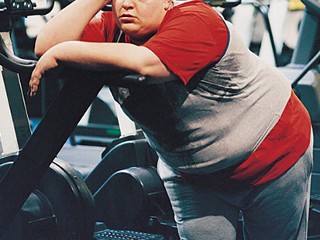
Morbidly obese people often have locomotive handicaps and muscle quality deterioration that truly makes aerobic exercise impossible. When instructed by surgeons to exercise 150 minutes a week many patients are frustrated not knowing how to begin an exercise program to accomplish the instructions. Few fitness centers are prepared to help the morbidly obese on their path to fitness as a "make it burn" and "work it off" boot camp fitness philosophy prevails. Extremely overweight patients are embarrassed and uncomfortable in a gym setting where they feel judged or scorned by those who are more fit and at a healthy weight.

A study published in Bariatric Times May 2010 by Wollner, Adair, Jones and Blackburn indicates that initiating a PRT (Progressive Resistance Training) exercise program prior to weight loss surgery may provide a feasible exercise option for obese patients seeking weight loss and improved health with weight loss surgery. The study finds, "Patients with obesity respond adversely to aerobic exercise compared to patients with normal weight and patients who are overweight. The repetitive movements and prolonged bouts of aerobic exercise training may not be feasible for this patient. We have found that approximately 80 percent of weight loss surgery patients fail to respond to doctors' recommendations to perform 150 minutes or more of moderate-intensity physical activity per week."

The study finds, however, that short intense bursts of PRT exercise combined with the direct supervision of an exercise physiotherapist may help address the unique biomechanical and psychological issues presented by these patients. In this study subjects completed rounds of nine exercises that addressed major muscle groups using strength fitness machines or free weights. A baseline test of leg and chest presses and a walking test was done with subjects to establish beginning fitness levels. The same tests were repeated after four weeks when the patients had completed eight PRT training sessions.

Most weight loss surgery patients report struggling with exercise because it is physically awkward or psychologically challenging. The authors of this study hope these findings will open a door for better pre-operative instruction for morbidly obese patients as they make physical activity part of their recovery from obesity. "Because of its powerful weight loss effects and health benefits, weight loss surgery can often be perceived as a "quick fix." Patients must be aware that exercise is a lifestyle change necessary for the long-term success of surgery. If ambulatory ability improves after PRT, patients may be better capable of performing aerobic activity." They concluded that ultimately the combined benefits of resistance training and aerobic training are necessary to promote optimal health.


Exercise Forum: LivingAfterWLS Neighborhood
Kaye Bailey - 2010 - All Rights Reserved

Article Source: Study Finds Better Way to Exercise After Weight Loss Surgery

Friday, May 28, 2010

Flavor Your High Protein Diet With Condiments

By Kaye Bailey

Are you one of those people asking "what can I do to add variety to my same 'ole same 'ole chicken and fish?" If so you are not alone! Patients of weight loss surgery following a high protein diet quickly become bored with routine protein dishes but fear taking too many culinary liberties will take them off track from weight loss and weight maintenance. As a general rule people who undergo gastric bypass, gastric lap-band, and gastric sleeve procedures are told the first rule of weight loss surgery is to eat "Protein First". But nothing in the rule says it has to be boring.

I remember spending my first three years following gastric bypass eating chicken breast, canned tuna, shrimp and hard-cooked eggs day in and day out. Blah! A good friend put me on to her secret weapon that kept her palate pleased and honored her nutritional needs. Her weapon? Condiments! And I'm not talking your everyday ketchup, mustard, mayo. I'm talking salsa and balsamic vinegar and relish and fruit compote. Its all good. Great ready-made condiments are easy to find these day and they are a winner in the budget lottery, too. At first it may seem expensive to pay $5 for a jar of Bruschetta sauce, but considering that jar stretches to 20 servings you have quite a bang for your buck at just about one quarter per serving.

Here are a few of the best hints for putting some pop in your protein:

Salsa: use on eggs, cooked chicken, fish and beans. Stir into soups and stews for added flavor without the cost of expensive out-of-season tomatoes and peppers. Mix with plain yogurt for a delicious vegetable dip (not chips).

Balsamic Vinegar: Sprinkle on pan-seared chicken or fish as it cooks to add a deep acidity to the protein. Remove protein from pan, add a bit more balsamic vinegar to drippings, scrape and serve atop chicken for an easy and elegant sauce. Lightly douse fresh strawberries with balsamic vinegar and let macerate 30 minutes. Serve at room temperature for a delicious treat. Whisk together balsamic vinegar and olive oil for a quick and healthy salad or vegetable dressing.

Vinaigrettes for Variety, Nutrition and Flavor

Relish: Don't save this just for hot dogs. Use regular or sweet pickle relish to flavor tuna salad, chicken salad or egg salad. Stir a tablespoon of relish with yogurt or light mayonnaise for a quick and inexpensive tarter sauce for fish.

Fruit Compote: Fruit compotes are generally a blend of sweet and sour ingredients that enhance the flavor of protein while adding moisture to the dish. They are sometimes called fruit salsa. Look for specialty blends at the farmers market or whole food stores. Serve compote with grilled or broiled protein simply by spooning a small amount when serving. Or glaze meat with the compote in the final five minutes of grilling.

Kaye Bailey 2010 - All Rights Reserved

Article Source: Flavor Your High Protein Diet With Condiments

Thursday, May 27, 2010

A New Kind of Dog

As a child I never much cared for hot dogs. Perhaps they were too salty or to messy or a burger tasted so much better. I'm still not a fan of processed hot dogs, although I do cook them regularly to use as training bait for my now not-so-little puppy. He loves them. But recently I've been thinking - What if I could improve upon the classic dog and make my own version? So I've been experimenting and share the results with you today. So use your imagination and join me on this doggy experiment! I'd love to hear what you do to make a better dog.

My recipe calls for using a seasoned ground meat mixture shaped in the form of a hot dog and cooked over high direct heat on the gas grill. I use ground moose meat because we have a lot of it and the texture is lean and tender. Ground chicken, turkey or beef work just as well. In my first effort I shaped the dogs and went directly to the grill, but they fell apart. For my next try I shaped the burgers in the morning and kept them refrigerated placing them on the grill cold: they held their shape much better this time. For particularly tender ground meat such as poultry the dog could be shaped around a skewer for support - just remember to remove the skewer before serving.

Kaye's You Have Arrived Dogs
Ingredients:
1/2 small sweet onion
1 cup button mushrooms, cleaned & quartered
2 pounds ground meat of your choice
1 teaspoon You Have Arrived Grilling Blend
1 recipe You Have Arrived Que-Sauce (recipe below)

Place the onion and mushrooms in the bowl of a food processor and pulse until finely minced. In a large bowl place the ground meat, minced onion and mushrooms, Grilling Blend and 1/2 cup of the YHA Que-Sauce. Working gently with your hand combine mixture. Divide into 8 equal portions (about 5 ounces each) and shape into dogs. Cover and chill for at least 1 hour. Prepare grill to direct high heat and cook dogs, turning only once very gently. In the final minutes of cooking baste dogs with remaining YHA Que-Sauce. Serve with your favorite toppings with or without a bun.


Shop for the You Have Arrived Seasoning Blends

Per serving using ground game or poultry not including condiments or bun: 279 calories, 11g fat (3 saturated) 36g protein, 8g carbohydrate and 1g dietary fiber. 107mg cholesterol, 359mg sodium, 400mg potassium.

Per serving using ground pork not including condiments or bun: 329 calories, 25g fat (9 saturated) 20g protein, 6g carbohydrate and 1g dietary fiber. 82mg cholesterol, 319mg sodium, 434mg potassium.

Per serving using extra-lean ground beef not including condiments or bun: 296 calories, 20g fat (8 saturated) 22g protein, 6g carbohydrate and 1g dietary fiber. 78mg cholesterol, 330mg sodium, 431mg potassium.

Kaye's You Have Arrived Que-Sauce
Ingredients:
1 tablespoon butter
1/2 small sweet onion, minced
1 teaspoon You Have Arrived Grilling Blend
1 (8oz) can tomato sauce
1 teaspoon brown sugar
1 teaspoon balsamic vinegar
dash cayenne pepper
Finishing Salt & ground pepper

Melt butter in a small saucepan. Add onion and cook until tender. Add remaining ingredients and cook at a low simmer for 20-30 minutes until sauce thickens and flavors develop. Taste and season with the You Have Arrived Finishing Salt and ground pepper. Use as an ingredient in the dogs and also to baste grilled protein.

Tuesday, May 25, 2010

Stiff From Sitting? Try These Standing Leg Stretches

For people fighting obesity or morbid obesity the sedentary nature of our jobs works against us as we spend the majority of our working day seated allowing our basal metabolic rate to slow down. Not only that but our joints become stiff and muscles weaken from lack of use. It is hard to determine which came first: the obesity or the sedentary work environment. Experts in applied physiology report many of us do not stretch the large muscles in our legs often enough to counteract the daily stresses of prolonged sitting or standing. I happen to be one of those people.

Taking time to stretch our major muscle groups during the day is one thing we can consciously do to fight back against the deterioration caused from sitting. Doing the following four stretches once or twice during the day will help us become more flexible, will introduce more oxygen into the blood stream making us more alert, and will relieve the discomfort of stiff muscles and joints that results from prolonged sitting.

These common leg stretches are referenced in Joan Pagano's book "Strength Training for Women". She instructs us to push each stretch until feeling a gentle pull, but not pain, in the muscle. Hold the stretch for 20-30 seconds without bouncing which allows the muscle to lengthen. Breathe into the stretch, using the exhale to move deeper into the position.

Calf StretchStand with feet together and place left hand on a chair back for support. Take a giant step back with the right leg and press the heel into the floor. Bend your left knee over your ankle. Feel the stretch in the back of the calf.

Hip-Flexor StretchFrom the previous position, come up on the toes of your back foot, bend the back knee toward the floor and press the bottom of the pelvis forward. Keep the left knee directly over the ankle. Feel the stretch in the front of the right hip.

Quad StretchStand on your left leg with the knee soft. Bend the right leg and, holding the foot or ankle, bring the heel toward the buttocks. Feel the stretch along the front of the thigh. To intensify the stretch, press the bottom of the pelvis forward.

Hamstring StretchStand on your left leg, with the knee bent. Extend your right leg to the front, and rest your heel on the floor; with the toe pointing to the ceiling. Bend forward from the hip, keeping your upper body in proper alignment. Feel the stretch in your hamstrings. Turn around to perform the sequence of stretches on the left leg.

If you engage in a lunchtime walking program these stretches are a good warm-up to your mid-day walk. Warm-up exercises prepare you body for more active exercise and help to prevent injury. You can also follow your walk with these stretches as a cool-down to allow your body to return to a pre-exercise state. Both warm-up and cool-down exercises are important to a good exercise program.


Article Source: Stiff From Sitting? Try These Standing Leg Stretches

Wednesday, May 19, 2010

Slider Foods Spell Weight Regain For Weight Loss Surgery Patients

Slider Foods Spell Weight Regain For Weight Loss Surgery Patients
By Kaye Bailey

For most people eating sliders is a good thing. Popularized by the American food chain, White Castle, a slider (originally slyder) is a miniature grilled hamburger or cheeseburger on a steamed bun often served with onions and dill pickle and other condiments. They originally sold for a nickel a piece in the 1940s making it affordable to add a side of fries for just pennies. By all accounts this is a good kind of "slider" food.

To the weight loss surgery patient slider foods are the bane of good intentions and ignorance often causing dumping syndrome, weight loss plateaus, and eventually weight gain. Slider foods, to weight loss surgery patients, are soft simple processed carbohydrates of little or no nutritional value that slide right through the surgical stomach pouch without providing nutrition or satiation. The most innocent of slider foods are saltine crackers, often eaten with warm tea or other beverages, to soothe the stomach in illness or while recovering from surgery.

The most commonly consumed slider foods include pretzels, crackers (saltines, graham, Ritz, etc.) filled cracker snacks such as Ritz Bits, popcorn, cheese snacks (Cheetos) or cheese crackers, tortilla chips with salsa, potato chips, sugar-free cookies, cakes, and candy. You will notice these slider foods are often salty and cause dry mouth so they must be ingested with liquid to be palatable. This is how they become slider foods. They are also, most often, void of nutritional value.
5 Day Pouch Test - Stop the Carb Addiction

For weight loss surgery patients the process of digestion is different than those who have not undergone gastric surgery. When slider foods are consumed they go into the stomach pouch and exit directly into the jejunum where the simple carbohydrate slurry is quickly absorbed and stored by the body. There is little thermic effect in the digestion of simple carbohydrates like there is in the digestion of protein so little metabolic energy is expended. In most cases patients in the phase of weight loss who eat slider foods will experience a weight loss plateau and possibly the setback of weight gain. And sadly, they will begin to believe their surgical stomach pouch is not functioning properly because they never feel fullness or restriction like they experience when eating protein.

The very nature of the surgical gastric pouch is to cause feelings of tightness or restriction when one has eaten enough food. However, when soft simple carbohydrates are eaten this tightness or restriction does not result and one can continue to eat, unmeasured, copious amounts of non-nutritional food without ever feeling uncomfortable.

Use 5 Day Pouch Test to Overcome Slider Food Addiction

Many patients turn to slider foods for this very reason. They do not like the discomfort that results when the pouch is full from eating a measured portion of lean animal or dairy protein without liquids. Yet it is this very restriction that is the desired result of the surgery. The discomfort is intended to signal the cessation of eating. Remembering the "Protein First" rule is crucial to weight management with bariatric surgery.

Gastric bypass, gastric banding (lap-band) and gastric sleeve patients are instructed to follow a high protein diet to facilitate healing and promote weight loss. Bariatric centers advise what is commonly known among weight loss surgery patients as the "Four Rules" the most important of which is "Protein First." That means of all nutrients (protein, carbohydrates, fat and alcohol) the patient is required to eat protein first.

Protein is not always the most comfortable food choice for weight loss surgery patients who feel restriction after eating a very small amount of food. However, for the surgical tool to work correctly a diet rich in protein and low in simple carbohydrate slider foods must be observed. The high protein diet must be followed even after healthy body weight has been achieved in order to maintain a healthy weight and avoid weight regain.

Kaye Bailey 2010 - All Rights Reserved

Article Source: Slider Foods Spell Weight Regain For Weight Loss Surgery Patients

Tuesday, May 18, 2010

Medical Tourism - What to Know Before Traveling For Weight Loss Surgery

By Kaye Bailey

It is estimated that a quarter-million people will undergo bariatric surgical procedures in the United States this year for the treatment of obesity and morbid obesity. Roux-n-Y gastric bypass surgery, considered the gold standard of weight loss surgery, will be performed most frequently at a cost of $40,000 or more per surgery. The less invasive gastric banding "lap-band" and gastric sleeve procedures will be performed for about $20,000 a surgery. More people are electing to travel outside the United States to have these procedures at accredited facilities where quality and safety are assured by international governing bodies and costs are less than half.

Medical Tourism: the process of "leaving home" for treatments and care abroad or elsewhere domestically - is an emerging phenomenon in the health care industry. A 2008 study suggests that Americans are leaving their homes more than ever to receive medical care outside of the nationals borders in an effort to seek quality less costly medical care. Note these points reported by the Deloitte 2008 Survey of Health Care Consumers:


  • Health care costs are increasing at eight percent per year - well above the Consumer Price Index (CPI), thus eating into corporate profits and household disposable income.
  • The safety and quality of care available in many offshore settings is no longer an issue: Organizations including the Joint Commission International (JCI) and others are accrediting these facilities.


Quality:

Receiving safe and quality care is the primary issue for consumers considering outbound medical tourism as a treatment option. Consumers seeking treatment outside United States borders should look for centers that have been reviewed y the Joint Commission International (JCI) which was launched in 1999 after a growing demand for a resource to effectively evaluate quality and safety. There are over 120 hospitals worldwide that are accredited through the JCI. Patients should also seek programs touting these attributes:


  • U.S.-trained physicians and care teams
  • English language services
  • Use of clinical information technologies
  • Use of evidence-based clinical guidelines
  • Affiliations with reputable, top-tier U.S. provider organizations
  • Coordination of pre- and post-discharge care
  • Provision for adverse events requiring services unavailable in the facility

Safety:

Safety questions are answered in frequent reviews by the JCI and other governing bodies to protect the safety and rights of the medical tourist. Safety questions in the accreditation process include:


  • Are the accreditation certificates regularly renewed?
  • Is the hospital following all the standard safety norms? Are the disposables being taken care of properly?
  • Are the food and inpatient facilities hygienic?
  • Is staff fluent in English or is interpreter competent to prevent any miscommunication?
  • How safe and secure is the environment at the provider site?
  • What are the precautions to be taken for the post-procedural care?


Packages and Financing:

Packages will frequently include, but are not limited to, hospital stay, hotel stay, ground transportation, blood test and X-rays, surgery, anesthesiologist's fees, surgeon's assistant's fee, surgeon's fees, nurses fees, discharge medications, medical devices and miscellany. Transportation to and from the destination and the cost of a traveling companion is not included in most packages. Many centers facilitate financing for the medical procedures they offer through a third party financing company not associated with the medical facility.

Kaye Bailey 2010 - All Rights Reserved

Article Source: Medical Tourism - What to Know Before Traveling For Weight Loss Surgery

Friday, May 14, 2010

Neighborhood News & Fun Friday


Good things are happening in the LivingAfterWLS Neighborhood - Our weight loss surgery safe haven circle of friends. Check out some of the great conversations we are enjoying today and join us!


Fun Friday
Gwenda is Back! Get ready for another round of fun at our weekly Neighborhood game where we get to know our Neighbors and have the chance to win fabulous prizes! Today's Fun Friday has us revealing our superstitions! Play Now


Weekend Wanderings
by Denisemarr
"As your ambassador of weekend living, I want to welcome you to Weekend Wanderings. So tell us, where will you be wandering to this weekend??? Where ever your weekend takes you, whether it is around the world or around the block, have a great one. And Remember: Not all who wander, are lost."


Spring Fitness Training Group
Lots of run and walk events coming up in May! Join our Neighborhood team training group and share your hints, tips & enthusiasm as we all get ready to participate in fun physical activities in the warm months ahead!


Day 6 Recipes, Pictures & Reports from the Day 6 Book
We're sharing our Day 6 Recipes! Pictures & Reviews. What's on your plate?


Reduce Offensive Flatulence After Weight Loss Surgery
Discussing that embarrassing topic of offensive gas after weight loss surgery. Learn what causes it and share your experience in a safe place where others understand.

Thursday, May 13, 2010

Reduce Offensive Flatulence After Weight Loss Surgery

By Kaye Bailey

It is quite common for patients of gastric bypass, gastric banding and gastric sleeve weight loss surgery to report an increase in uncomfortable intestinal bloating and the frequent release of foul and offensive gas. Some patients report the problem of gas to be so offensive they suffer chronic embarrassment leading them to isolation. By its nature gastric surgery changes the human digestive process and increases the occurrence of gas. In addition, weight loss surgery patients follow a high protein, low carbohydrate diet which is also known to cause gas. Understanding what causes excessive flatulence is the first step to implementing therapies to reduce the occurrence and offensiveness of this natural body function.


High Protein Diet:
Weight loss surgery patients who follow a strict high protein diet frequently report excessive flatulence beyond the 14 releases per day experienced by adults with a healthy digestive tract. In digestion proteins are broken down with the secretion of hydrocholoric acid which allows the activation of pepsin, a protein digesting enzyme. Weight loss surgery patients become deficient in hydrocholoric acid or pancreatin when their intestines are shortened or bypassed with surgery. Therefore the gastric enzymes and acids to facilitate complete digestion are deficient and excessive gas can be produced. A high protein diet, by nature, is a diet low in fiber intake. The absence of adequate fibrous carbohydrates leads to waste material moving too slowly through the large bowel and constipation and flatulence results.

To reduce the occurrence of flatulence associated with a high protein diet stay hydrated by drinking at least 64 ounces of water daily. The water will help to move food along the digestive and intestinal tract preventing the build-up of gas. Eliminate processed meat, cured meat, beans, tofu and soy products from the diet for several days until symptoms of chronic flatulence are reduced.

Sugar Replacers: Weight loss surgery patients are strongly encouraged to eliminate sugar and sweets from their diet. Many people include products labeled "sugar-free" in their diet to satisfy sweet cravings. Sugar-free products use sugar replacers, a term to describe the sugar alcohols such as mannitol, sorbitol, xylitol, maltitol, isomalt, and lactitol, that provide bulk and sweetness to cookies, hard candies, sugarless gums, jams, and jellies. Sugar alcohols evoke a low glycemic response because the body absorbs them slowly making them slow to enter the bloodstream. However, side effects such as gas, abdominal discomfort, and diarrhea, are so extreme that regulations require food labels to state that "excess consumption may have a laxative effect."

To decrease the gas associated with sugar alcohols eliminate or reduce the intake of food containing sugar alcohol. Do not exceed package serving size of sweets made from sugar alcohol.

Therapies to Reduce Offensive Flatulence: The following therapies may be effective in reducing embarrassing and uncomfortable gas and bloating associated with the diet after gastric weight loss surgery

Beano: A few drops help prevent gas formation. Not effective in preventing bloating and gas pain, however will prevent gas-passing or flatulence.

Chamomile, ginger and papaya teas: good digestive aides, nerve tonics, and cramp and pain relievers.

Peppermint oil: relieves flatulence and related pain.

Kaye Bailey 2010 - All Rights Reserved


LivingAfterWLS
5 Day Pouch Test

Article Source: Reduce Offensive Flatulence After Weight Loss Surgery

Wednesday, May 12, 2010

Kaye Bailey Article Syndication

Kaye Bailey EzineArticles
Kaye Bailey, EzineArticles.com Expert AuthorRecently syndicated articles by internationally recognized weight loss surgery expert Kaye Bailey:

Four Truths About Weight Regain After Weight Loss Surgery
Nobody undergoes weight loss surgery thinking weight regain will happen to them. But statistics indicate that 80 percent of those who undergo gastric bypass, gastric banding, or gastric sleeve weight loss surgery will at some point regain some of the weight they lost initially with the surgery. Learn four truths about weight gain after weight loss surgery.
Read Full Article

Emergency Preparedness For Weight Loss Surgery Patients
Weight loss surgery patients should take some extra steps in preparing an emergency readiness kit for use in the event of a natural or national disaster. Here are some good suggestions for preparing a special needs kit for the bariatric patient.
Read Full Article

Gastric Bypass Dumping Syndrome - Three Foods That Cause It
As pre-op weight loss surgery patients we are taught to fear the mysterious dumping syndrome and in most cases we are told that avoiding sugar will prevent the occurrence of dumping syndrome. So it comes as a surprise when after having a malabsorptive gastric surgery we experience symptoms that we think are dumping syndrome, yet sugar has not crossed our lips. In this article we take a look at dumping syndrome so that we can understand the full picture - beyond the sugar - and avoid the foods that may cause it.
Read Full Article

Budget Tips For Eating Healthy After Weight Loss Surgery
After gastric bypass, gastric banding or gastric sleeve weight loss surgery we know we must follow a healthy high protein diet in order to lose weight and maintain weight loss. In these economic times it is natural to be concerned about the cost of a specialized diet. Follow these helpful tips to sustain your weight loss surgery diet without breaking the bank.
Read Full Article

Kaye Bailey EzineArticle Profile

Tuesday, May 11, 2010

Budget Tips For Eating Healthy After Weight Loss Surgery

By Kaye Bailey

After gastric bypass, gastric banding or gastric sleeve weight loss surgery we know we must follow a healthy high protein diet in order to lose weight and maintain weight loss. In these difficult economic times it is natural to be concerned about the cost of a specialized diet. Follow these helpful tips to sustain your weight loss surgery diet without breaking the bank. By making a special effort when planning, shopping and preparing meals it is painless to save money and follow a nutritional program to benefit our health today and in the future.
  • Make a weekly menu of dinner meals. Focus on protein dishes that can be repurposed as lunches. Side dishes should be fresh seasonal vegetables and fruits or frozen vegetables requiring minimal preparation.
  • Plan two or three "routine" breakfast selections. Most WLS patients have a lower tolerance for food upon waking and eventually find a few things that consistently settle well on their stomach pouch first thing in the morning. Have these routine selections on hand at all times to avoid starting the day off with a grumpy pouch.
  • Follow the weekly grocery sale adds and take advantage of specials and coupons. Use grocery store loyalty cards for added savings. Avoid sales for processed simple carbohydrates (junk food) because these foods are referred to as "slider foods" and they often cause weight gain in WLS patients. Remember, a slider food on sale is still a slider food.
  • Purchase items that can be used in multiple recipes and for different meals such as canned beans, eggs and flash frozen poultry and fish pieces. Stock up on sale items and repackage bulk purchases for single meals or single serving sizes and freeze to avoid waste.
Weight Loss Surgery Recipes
  • When shopping, follow the "Protein First" rule and make protein selections first. Look for fresh lean meat, pork and lamb in the meat department. Add poultry and fish from the meat department or frozen meat section. Shop for low-fat dairy protein and select low-fat cottage cheese and yogurt as well as eggs. Add vegetable based protein to your diet with canned beans, dried beans and legumes, and tofu products.
  • Take advantage of locally grown produce available seasonally at roadside stands and farmers markets. For an exercise bonus gather your produce at "pick-your-own" farms and orchards to save money and burn calories.
  • Eliminate pricey beverages from your diet in favor of filtered tap water. It is less expensive and better for the environment. Flavor water with a squeeze of fresh lemon or fresh ginger. Add frozen berries for a refreshing treat. Make sun tea with tea bags instead of buying manufactured tea beverages. You will get a purer beverage and save money too.
  • Prepare your meals at home rather than eating out. You can control the ingredients and avoid things that interfere with your healthy dietary goals following weight loss surgery.
Build on your experience each week to become a health savvy and budget wise shopper so that you can enjoy your healthy life following surgical weight loss.

Kaye Bailey - 2010 - All Rights Reserved

LivingAfterWLS
5 Day Pouch Test

Article Source: Budget Tips For Eating Healthy After Weight Loss Surgery

I Am Me, Not My Disease

Monday, May 10, 2010

Emergency Preparedness For Weight Loss Surgery Patients

By Kaye Bailey

Following weight loss surgery patients make a multitude of adjustments in their lives to accommodate the dietary and nutritional needs of an altered gastric digestive system. Even if weight loss has long been accomplished patients who have undergone gastric bypass, gastric banding or gastric sleeve surgical procedures must, for the rest of their life, maintain rigorous nutritional and dietary habits in order to be healthy. After time these adjustments feel like second nature to the patient and even those around them. But in preparing an emergency kit for use in the wake of a natural or national disaster it is essential that weight loss surgery patients treat themselves as "special needs" and ensure their nutritional and dietary needs are provided for in the event the emergency kit is put into service.

Flood, fire, national disaster, or the loss of power from high winds, snow, or ice frequently jeopardize the health and safety of thousands of Americans each year. This year weather events and natural disasters have been particularly harsh throughout the world and many thousands have found themselves without food, shelter or warmth. While we cannot prevent natural or national disasters we can assemble emergency supply kits to improve our survivability when disaster strikes.

A well-prepared basic emergency supply kit will contain items to provide for the basics of survival: fresh water, food, clean air and warmth. The Federal Emergency Management Agency (FEMA) recommends the following items be included in a basic emergency supply kit:
  • Water, one gallon of water per person per day for a least three days, for drinking and sanitation
  • Food, at least a three-day supply of non-perishable food
  • Battery-powered or hand crank radio and NOAA Weather Radio with tone alert and extra batteries for both
  • Flashlight and extra batteries
  • First aid kit
  • Whistle to signal for help
  • Dust mask, to help filter contaminated air and plastic sheeting and duct tape to shelter-in-place
  • Moist towelettes, garbage bags and plastic ties for personal sanitation
  • Personal hygiene items
  • Wrench or pliers to turn off utilities
  • Can opener for food (if kit contains canned food)
  • Local maps
  • Cell phone with chargers
Emergency readiness kits should provide water, food, clean air and warmth for 72 hours. Keeping that in mind a "special needs" weight loss surgery patient should consider including the following items in their personal readiness kit:

  • Vitamins and supplements for three days. Additional dosages of vitamins B and C may be included to relieve stress and boost immunity.
  • Non-NSAID over-the-counter pain relief medicine. Most surgical weight loss patients are discouraged from using NSAID medication for pain relief. Make sure acceptable OTC pain relief is included in the First aid kit.
  • Vitamin fortified or protein fortified powder drink mixes in individual packages. These are useful in adding minerals and nutrients to the diet while stretching the water supply because when mixed with the water rations they provide hydration and vitamin and mineral nutrition.
  • Ready-to-Drink (RTD) and Ready-to-Eat (RTE) protein drinks and protein bars. A weight loss surgery patient must have a minimum of 60 grams protein per day for best health. Provide at least 60 grams of dietary protein per day for three days of emergency use.
  • Sugar free hard candy to supplement food intake and keep the mouth moist.
  • Additional bedding or clothing for warmth. Body temperature regulation is difficult for those having lost body weight or body mass. Provide extra items for warmth in the event of a disaster that subjects the weight loss surgery patient to extreme cold or elements.
  • Emergency response information for the treatment of a bariatric patient including contact numbers. Make this information readily available to first responders.
Gather items for the emergency preparedness kit in one location. Stow the items in a portable duffel bag or plastic bin that is accessible and labeled for easy access in the event of an emergency. Ideally each household member will have a kit tailored for their needs. Periodically check the kit and replenish items that have expired. Make certain all contact information is current. It is not easy to think about facing a disaster, but should the day come when the emergency kit is needed a little preparation will go a long way in making a bad situation better.

Kaye Bailey (c) 2010 - All Rights Reserved

Kaye Bailey is an internationally recognized writer, speaker and weight loss surgery advocate. She is the author of the highly successful weight loss surgery back to basics plan: 5 Day Pouch Test and the 5 Day Pouch Test Owner's Manual. Her follow-up book, Day 6: Beyond the 5 Day Pouch Test, was published in December 2009. It provides guidance for long-term weight and health management with all bariatric surgical procedures. Ms. Bailey is known for her powerful "you can do this" manner and her belief in the power of personal responsibility. She is the founder of LivingAfterWLS, LLC parent company to the LivingAfterWLS.com and 5daypouchtest.com websites. Supporting both websites is the LivingAfterWLS Neighborhood, an online compassion-driven community for weight loss surgery, gastric bypass and gastric banding patients.

LivingAfterWLS
5 Day Pouch Test

Article Source: Emergency Preparedness For Weight Loss Surgery Patients

5 Day Pouch Test Approved Recipes

Hey Neighbors! Many of you have included our Collection of Neighborhood Recipes in your weight loss surgery tool box. We have finished testing and now offer you the official list of approved 5 Day Pouch Test Recipes from this wonderful community cookbook. Here you go:

5 Day Pouch Test: Approved Recipes
A Collection of Neighborhood Recipes

Days 1 & 2: Liquids
P.3 – Fortified Milk, P.6 – Mocha Smoothie, P.21 - Sunrise Morning Protein Shake, P.47 – Unjury Hi-Protein Pudding, P.66 – Diane's Head Hunger Soup.

Day 3: Soft Protein
P.13 – Bed & Breakfast Baked Eggs, P.17 – Newbie Coddled Egg for One, P.26 – Chocolate Peanut Butter Protein Bars, P.29 – Parmesan Tuna Patties, P.113 – Deviled Egg Salad.

Day 4: Firm Protein
P. 98 – Baked Halibut with Herbs, P.102 – Broiled Peppered Salmon, P.15 – Family Meat Loaf, P.117 – Grilled Rosemary Garlic Shrimp, P.120 – Herbed Scallops.

Day 5: Solid Protein
P.96 – Apricot Chicken, P. 116 – Florentine Steak, P. 121 – Jerk Chicken Thighs, P.131 – Pork Au Poivre with Mustard & Sage, P.132 – Roast Beef with Horseradish Sauce


If you don't have the cookbook yet you can order it HERE

Sunday, May 09, 2010

Happy Mother's Day

As we honor Mothers and Motherhood today please accept my heartfelt wishes for a day of joy and memory making as you celebrate the special relationships in your life. Thank you for being a treasured part of my life through our LivingAfterWLS connection.

"Let us be grateful to people who make us happy, they are the charming gardeners who make our souls blossom."-Marcel Proust

Saturday, May 08, 2010

Coupon Savings & Free Recipe with Seasoning

Happy Mother's Day from all of us at LivingAfterWLS General Store!
Because we understand that just like being a mother, living with surgical weight loss is a 24/7 occupation, we are offering a store-wide coupon of savings of 5% off all purchases on quality weight loss surgery products! In addition all orders placed now through May 10 will be shipped with a free recipe and seasoning blend sample as our way of saying "Thanks Mom" for all the nurturing you do - Moms, Dads, Daughters & Sons alike!

Shop Now and enter Coupon Code MAYBLOOMS - We look forward to thoughtfully packaging your order and sending it out quickly so you may have great tools for your best LivingAfterWLS experience!

SHOP LIVINGAFTERWLS GENERAL STORE & SAVE

Books & Publications:
We are pleased to offer exclusively books published by LivingAfterWLS, LLC with the intent of enhancing the lives who courageously chose to battle obesity with a surgical weight loss option. All Books & Publications come with our fun FREE Goody Bag full of clever tools & samples to support your WLS way of life!!! Fun Stuff!

5 Day Pouch Test Owner's Manual

by Kaye Bailey
The complete 5 Day Pouch Test plan including inspiration, instructions, and recipes in Kaye Bailey's classic empowering style. 100-page easy to read paperback with hints, tips and encouragement that enables you to take charge of your weight loss surgery tool. If you have ever asked "Is my pouch broken?" then this book is for you. Available exclusively at the LivingAfterWLS General Store.
SKU#5545823

Free Goody Bag with Purchase!
List Price: $24.95
Sale Price: $22.95 -- SAVE $2.00


Day 6: Beyond the 5 Day Pouch Test
by Kaye Bailey
You've succeeded with the 5 Day Pouch Test. Keep the momentum by learning the secrets of Day 6 - Beyond the 5 Day Pouch Test. Facts, Inspiration, Recipes all in Kaye's empowering style. Reserve your copy today! Save $4.00 off list price!
SKU#5662212

Free Goody Bag with Purchase!
List Price: $29.95
Sale Price: $25.95 -- SAVE $2.00


A Collection of Neighborhood Recipes
Edited by Kaye Bailey
300 Recipes for weight loss surgery patients BY weight loss surgery patients. Now in its 3rd printing. Quality spiral bound cookbook features Appetizers & Beverages, Protein Breakfasts, On the Go Protein, Healthy Snacks, Condiments & Sauces, Soups & Salads, Vegetables & Side Dishes, Main Dishes, Sensible Desserts and Healthy Grains. Nutritional data included on most recipes. Limited Quantities!!!
SKU# 1241715152

Free Goody Bag with Purchase!
List Price: $20.00
Sale Price: $18.00 -- Save $2.00!


Shop Now and enter Coupon Code MAYBLOOMS

Friday, May 07, 2010

Thursday, May 06, 2010

Headaches - Three Effective Herbal Remedies

By Kaye Bailey

While it may seem quick and easy to grab over the counter treatments for headaches there are actually time proven herbal remedies that may be even more effective in headache treatment without the harsh chemical side effects. Unlike allopathic medicine (drugs) that focus on chemistry and treatment, herbal medicine concentrates on prevention. Consider these three herbal medicines in your treatment of headaches. And of course, always seek the advice of qualified health care professionals when seeking treatment for illness.

Feverfew: this herb, a member of the daisy family, is a common garden plant and has long been used by the British for self-medication. Research has shown that the active ingredient in feverfew is parthenolide. The Journal of Pharmacy and Pharmacology suggests that feverfew inhibits serotonin release and the amount released from platelets is controlled by the parthenolide content in the dose of feverfew. Parthenolide is the main active ingredient in feverfew. Several studies indicate feverfew may reduce headache suffering. Feverfew products should indicate the proper amounts of parthenolide per dose at 165 milligrams as determined in a 1992 study published by J Pharm and Pharmacol.

Ginger: As more research indicates the prevalence of headaches to blood flow abnormalities we are learning that ginger reduces clotting time of blood cells and also blocks the production of prostaglandins, which are linked to the inflammation associated with headaches. Ginger has long been known for its therapeutic properties to relieve headaches, nausea, and vomiting. Modern science suggests that headache sufferers who take 1.5 to 2 grams of powdered ginger daily report fewer headaches and less severe headaches. Ginger is widely available in the vitamin and supplement section of major stores and can be purchased in the correct dosage in encapsulated form.

Chamomile: The use of chamomile to relieve headaches dates back to the ancient Egyptians who used chamomile for its therapeutic and relaxing qualities. Chamomile tea, commonly available, is a light and flavorful tea and is employed to ease pain, headaches, and insomnia. High levels of flavonoids are present in chamomile which help the body fight allergens, viruses, and carcinogens. These are the active properties that make chamomile effective as an anti-inflamatory nerve tonic, and mild sedative. Those with chronic headaches report fewer sleep disturbances when having a cup of chamomile tea before bedtime.

Feverfew, ginger, and chamomile may all be used to prepare a warm compress to use for immediate relief of headaches. Soak a cloth in a warm brew of herbal tea and apply to forehead. Relax and enjoy the warm compress as it helps relieve headach pain.

All of these herbal treatments provide effective relief for people who suffer headaches as a result of a high protein diet.

Kaye Bailey (C) 2010 - All Rights Reserved

Kaye Bailey is an internationally recognized writer, speaker and weight loss surgery advocate. She is the author of the highly successful weight loss surgery back to basics plan: 5 Day Pouch Test and the 5 Day Pouch Test Owner's Manual. Her follow-up book, Day 6: Beyond the 5 Day Pouch Test, was published in December 2009. It provides guidance for long-term weight and health management with all bariatric surgical procedures. Ms. Bailey is known for her powerful "you can do this" manner and her belief in the power of personal responsibility. She is the founder of LivingAfterWLS, LLC parent company to the LivingAfterWLS.com and 5daypouchtest.com websites. Supporting both websites is the LivingAfterWLS Neighborhood, an online compassion-driven community for weight loss surgery, gastric bypass and gastric banding patients.

LivingAfterWLS
LivingAfterWLS Neighborhood
5 Day Pouch Test

Article Source: http://EzineArticles.com/?expert=Kaye_Bailey

http://EzineArticles.com/?Headaches---Three-Effective-Herbal-Remedies&id=3693661


Avoid Fried Foods - Prevent Gastric Bypass Dumping Syndrome

By Kaye Bailey

Anyone who is awake knows that fried food is not a healthy dietary choice. A high fat diet is believed to be a contributing cause of diabetes, heart disease, overweight and obesity. But Americans continue to load their plates with fried food because we have developed a taste for it and because food producers make products that taste good and are affordable.

Overweight people who have undergone bariatric weight loss surgery to control their weight are encouraged to follow a diet high in protein and low in fat and carbohydrate. This has been shown to effectively work with the weight loss surgery to reduce weight and control weight over long periods of time. Living in a world where high fat food is ever present, the surgical weight loss patient is often tempted to indulge in fried food often thinking that small amounts of fried food will not negatively affect their diet or health. However, eating fried food, even in small amounts, can have catastrophic consequences for gastric surgery patients.

In general fried food is bad for us simply by the nature of its nutritional composition. Consider this: A 6-piece serving of fried chicken tenders contains 401 Calories; 16 grams Protein; 8 grams Fat; 57 grams Carbohydrate. The FDA calculates this at 3 1/2 starch/bread servings and 1 lean meat serving. Its easy to figure out how we have become "obese nation" when you consider many children are weaned from the bottle right to the fast food fried chicken pieces.

This nutritional data indicates the fried chicken tenders are a high fat carbohydrate. When a person who has undergone a malabsorptive gastric surgery such as gastric bypass eats high fat carbohydrates they are at imminent risk of dumping syndrome. Gastric Dumping Syndrome, or rapid gastric emptying, is a condition where ingested foods bypass the stomach too rapidly and enter the small intestine largely undigested. The syndrome is most often associated with malabsorptive gastric surgery, specifically gastric bypass surgery. Symptoms of dumping syndrome may manifest immediately after eating or within three hours of eating. Symptoms may include nausea, vomiting, bloating, cramping, diarrhea, dizziness and fatigue. Symptoms do subside as insulin levels return to normal. Many patients experiencing dumping find comfort in lying down or sipping on fortified water or energy drinks served at room temperature.

Not only is dumping syndrome physically uncomfortable it can be unpredictable and embarrassing. Many patients experience profuse sweating which can be embarrassing and difficult to explain to those unaware of the condition. At other times a patient may suffer from confusion and become disoriented which may appear to be intoxication or diabetic distress to someone unacquainted with the signs and symptoms of dumping syndrome.

So the consequences of eating fried food after a gastric weight reduction surgery are twofold: immediate risk of dumping syndrome and long term risk of weight gain and the diseases associated with a high-fat diet.

Gastric surgery patients, specifically gastric bypass patients, may successfully avoid dumping syndrome by eating a diet of carefully chosen lean protein combined with low glycemic fresh fruits and vegetables. Patients are instructed to avoid simple sugars, simple carbohydrates and high-fat carbohydrates and to avoid drinking liquids with meals. At the onset weight loss surgery patients are instructed to eat a high protein diet following surgery.

Kaye Bailey - 2010 - All Rights Reserved

Kaye Bailey is an internationally recognized writer, speaker and weight loss surgery advocate. She is the author of the highly successful weight loss surgery back to basics plan: 5 Day Pouch Test and the 5 Day Pouch Test Owner's Manual. Her follow-up book, Day 6: Beyond the 5 Day Pouch Test, was published in December 2009. It provides guidance for long-term weight and health management with all bariatric surgical procedures. Ms. Bailey is known for her powerful "you can do this" manner and her belief in the power of personal responsibility. She is the founder of LivingAfterWLS, LLC parent company to the LivingAfterWLS.com and 5daypouchtest.com websites. Supporting both websites is the LivingAfterWLS Neighborhood, an online compassion-driven community for weight loss surgery, gastric bypass and gastric banding patients.

LivingAfterWLS
5 Day Pouch Test

Article Source: http://EzineArticles.com/?expert=Kaye_Bailey

http://EzineArticles.com/?Avoid-Fried-Foods---Prevent-Gastric-Bypass-Dumping-Syndrome&id=4237594

Friday, April 30, 2010

Meatball Ravioli Soup

Today's weather has been more winter than spring and I cannot get warm. So that means its soup time! Here's one of my favorite recipes because everything comes the freezer or pantry. Dinner is ready in a snap! I wish warm weather could be had so easily! CHEERS!

Ingredients:
1 package Tyson Fully Cooked Chicken Meatballs

1 tablespoon olive oil
1 large onion finely chopped
1 garlic clove minced
1 (28 ounce) can chopped tomatoes (undrained)
1/4 cup tomato paste
1 (32 ounce) container Swanson chicken broth
1 cup water
1/2 teaspoon granulated sugar
1/2 teaspoon dried basil
1/4 teaspoon each dried thyme and oregano
8 ounces mini cheese-filled ravioli

1/4 cup fresh chopped parsley
Freshly grated Parmesan cheese

Directions:
Preheat oven to 425. Arrange frozen meatballs in single layer on a cooking sheet sprayed with non-stick cooking spray. Bake for 10 minutes.

While meatballs bake heat olive oil in a 4-6 quart stockpot. Brown onion and garlic.

Add tomatoes and liquid, tomato paste, broth, water, sugar, basil, thyme and oregano. Bring mixture to a simmer, cover and simmer 10 minutes. Add ravioli and cook, covered at a gentle boil according to package directions (approximately 10 to 15 minutes), until they are just tender and no longer have a starchy taste. Stir in meatballs and return to simmer. Stir in parsley and sprinkle with cheese.

Serve warm.

WLS patients should eat 3-5 meatballs topped with a modest serving of ravioli and liquid.

5 meatballs contain 13g protein, 11g fat (3 saturated), 6 grams carb