LAWLS Bookstore

Showing posts with label four rules. Show all posts

Monday, January 30, 2017

9 Treats the No Snacking Rule is Okay With!

With January nearing the end and our study of the Four Rules concluding as the topic of the month I'd like to address the idea of **BREAKING** the rules. In the true confessions of weight loss surgery post-ops it is Rule #2 - No Snacking that is usually the first one to be broken after our early post-surgery compliance. We live in a snacking world and this one is hard to keep. Here's a refresher from the 5 Day Pouch Test describing Rule #2:
"Rule #2: No Snacking. Patients are discouraged from snacking which may impede weight loss and lead to weight gain. Specifically, patients are forbidden to partake of traditional processed carbohydrate snacks, such as chips, crackers, baked goods, and sweets. Patients who return to snacking on empty calorie non-nutritional food defeat the restrictive nature of the surgery and weight gain results.  It is seemingly contradictory that the 5DPT allows snacking. High protein snacks are allowed because they keep the metabolism active, they satiate hunger, and they help relieve the symptoms of carbohydrate withdrawal."
Kaye Bailey ~ 5 Day Pouch Test Express Study Guide page 12.

Pumpkin Pie Cheesecake Parfait
In a perfect world we all make a weekly menu, do the shopping and preparation, and stick to our plan like NASA scientists. Then there are the rest of us! Sometimes my best effort is to plan the next meal and even getting that done is a chore. But on my best days, if nothing else, I plan a meal (or an appropriate snack) that I can look forward to when thoughts of food sneak uninvited into my day.

For example in the summer when our raspberry bushes are heavy with berries I looked forward to an afternoon snack of raspberries and vanilla Greek yogurt. In knowing this was on my plate that day I avoided feelings of tedium or deprivation that so often come when maintaining a dietary program. The anticipation of the berries and creamy yogurt served to deflect other temptations.

Ready Reference:  Dietary Protein: Quick List and Recipe Links

So much of our food psychology is looking forward to a meal or treat in association with an occasion. By providing a meal or treat to look forward to we acknowledge that core human desire to anticipate sustenance beyond the act of taking in nutrition. We provide opportunity to feed the psyche and soul as well as the biological necessity for nutrition. When I was obese I spent a great deal of time daydreaming about the next delicious meal or morsel I would eat. Now, with the help of weight loss surgery, I can still daydream about the next delicious food I'll eat but I must be more mindful  of my choices so that they support the health goals to which I am committed in order to keep my obesity in remission. It is a matter or re-allocating those basic human behaviors in a manner that supports our greater goals. And by starting each day with a plan for one meal --one moment of reward and enjoyment-- we can easily harness those behaviors to benefit our health rather than contribute to our illness (obesity). Here are a few of my favorite look-forward-to morsels:
  • Fruit and/or berries with dairy protein (yogurt, cheese, cottage cheese)
  • Ready-to-eat shrimp and cocktail sauce
  • Pickles with Cheddar cheese
  • Avocado with chopped hard-cooked egg and diced tomato. Add salad greens or seasonal vegetables for a full meal. Article: The Avocado Advantage
  • Turkey Roll-ups (Layer two turkey slices, smear with cream cheese and jelly, roll-up and refrigerate for a wonderful handy snack! Delicious beyond compare!)
  • Cooking with Kaye favorite recipe: Light Fresh Turkey Salad
  • Protein Pudding (Whisk together 1 package sugar-free instant pudding with 1 can ready-to-drink protein drink. Chill and enjoy. Use serving size recommendations on pudding mix).
  • Seasonal Favorite: Heart Healthy Pumpkin Spice Protein Treats with our popular Pumpkin Spice Protein Mix. Link for our Newsletter and Recipes.
  • Warm herbal tea or chilled ice tea infused with lemon, berries, fruit, herbs or other seasonal flavor boosters. Try this: Stomach Soothing Thirst Quenching Lemon Ginger Iced Green Tea

Further Reading: Evening Munchies: Slider Food Territory

Tuesday, January 24, 2017

Stomach Soothing Thirst Quenching Lemon Ginger Iced Green Tea

In keeping with our January Theme - The Four Rules, today I offer this terrific recipe for flavored herbal tea that both soothes the stomach, quenches thirst, and meets our Rule #2 - Lots of Water requirement. Remember, a goodly amount of daily water is essential for weight loss and in continuing weight maintenance with bariatric surgery. Earlier this month we talked about the benefits of lemon water. This Lemon Ginger Tea has the added benefits of green tea (including powerful antioxidants that promote fat loss) and the stomach soothing properties of ginger.

I use this recipe often and enjoy it served warm, freshly brewed or over ice. There is a certain clean feeling that comes from drinking beneficial herbal tea. I think if you are not already including green tea in your healthy weight management plan that once you do, you'll be hooked. Give it a try! Herbal tea counts towards water intake and provides many health benefits.

Lemon Ginger Iced Green Tea
Ingredients:
2 cups water
1 teaspoon ground ginger
2 teaspoons grated lemon peel
6 green tea bags
juice of 1 lemon
low-calorie sweetener of choice, to taste

Directions:
Add water, ground ginger, and lemon peel to medium saucepan and bring to boil over medium heat. Reduce heat to where it sustains a gentle boil and cook for about 7-8 minutes. Remove from heat and add the green tea bags. Steep this tea mixture for 10 minutes, stirring or dunking the bags often.
Remove tea bags and stir lemon juice into the tea liquid. Cover and refrigerator for up to 1 to 2 weeks.

For a warm cup of pre-brewed tea simply heat to desired temperature in the microwave. To make a cup of iced tea, pour 1/4 cup of the concentrated tea mixture into a tall glass and stir in 3/4 cup of cold water, add sweetener as desired.  Add ice cubes and enjoy!

Further Study: Restrict Liquids, Drink Lots of Water - HUH? Making Sense of WLS Guidelines
In a country where food and drink go hand in hand weight loss surgery patients are challenged to follow the liquid restrictions as instructed by their bariatric center. But understanding and following the liquid restrictions plays a key role in long-term weight maintenance following gastric bypass, gastric sleeve, or adjustable gastric banding (lap-band) surgeries. Learn more: Restrict Liquids, Drink Lots of Water - HUH? Making Sense of WLS Guidelines

Tuesday, January 17, 2017

Resolution: Take to heart "Protein First" rule of WLS

http://livingafterwls.blogspot.com/2016/04/spring-eggs-with-salmon-asparagus.html
At LivingAfterWLS we live by the commonly accepted Four Rules of weight loss surgery, the first of which is Protein First. In dieting language we follow a high protein low carbohydrate diet. This is the diet prescribed by most bariatric centers for patients to follow for life. Scientific and anecdotal evidence supports that following a high protein diet is the most effective way to lose weight and maintain a healthy weight while using the benefits of bariatric surgery.

For quick reference check out this blog:  Dietary Protein: Quick List and Recipe Links

If you are trying to lose weight after surgery, if your weight loss is stalled, or if you are struggling to maintain your healthy weight, now is the time to revisit the Protein First rule.


Eat protein (excerpted from: Inspired Reminders Newsletter)
We know the first rule of weight loss surgery is to eat protein first. That means we must eat protein at every meal. The high protein or protein first diet is prescribed for all bariatric procedures and is the dietary guideline patients are instructed to follow for life. The bulk of our calories at any meal should come from animal, dairy, or vegetable protein. This includes breakfast. By eating protein first thing in the morning we instantly raise our metabolism, we promote feelings of satiation and reduce cravings for snacks or simple carbohydrates. Link to newsletter in our archive: Inspired Reminders Newsletter

Suggested Reading: Understand the Four Rules of WLS Before Going Under the Knife

 WebMd tells us, "Protein is the ultimate fill-me-up food -- it's more satisfying than carbs or fats and keeps you feeling full for longer. It also helps preserve muscle mass and encourages fat burning. So be sure to incorporate healthy proteins like seafood, lean meat, egg whites, yogurt, cheese, soy, nuts, or beans into your meals and snacks."

Eating a high protein breakfast effectively staves hunger cravings and snacking binges later in the day because it reduces the circulating levels of the hormone ghrelin, which stimulates hunger. So not only are we raising our metabolism with high protein nutrition, we are managing the brain chemistry that often gets the blame for head hunger and snacking binges. The earlier in the day we eat protein the more likely we are to stick with our high protein diet plan without annoying cravings or sluggishness.

Try this yummy recipe: Spring Eggs with Salmon and Asparagus

Try starting your day with 35 grams of high quality protein including eggs, meat, poultry, shellfish or fish, Greek yogurt, milk, cottage cheese, vegetarian protein, or protein supplementation such as protein shakes or protein bars. I keep hard-cooked eggs on hand for a quick-grab breakfast and more often than not mix my ready-to-drink protein shake with hot coffee (use it like coffee creamer) for a steady supply of morning protein. For more protein breakfast ideas check out Breakfast Basics of WLS: Why you must eat a high protein breakfast every day.


Extra Credit Learning: Check out these featured articles

http://conta.cc/2epG4lB

Earlier this year we published a newsletter that featured this Multi-Use DIY Pumpkin Spice Protein Mix recipe and ways to use it as we actively seek to increase our daily protein intake. You can read this newsletter in full online in our archive: Pumpkin Spice Protein Mix


 Protein Supplementation after WLS
It is common to see the question, "What protein powder should I use?" asked in online groups. What is surprising, to me, is the inconsistency in answers and the passion with which people believe there is only one true and correct answer to the question. Continue Reading:  5DPT May Bulletin Online

Suggested Reading: Understand the Four Rules of WLS Before Going Under the Knife
Weight loss surgery is frequently perceived as an easy means to weight loss that requires little or no effort by the patient. However, patients who undergo bariatric surgery are prescribed Four Rules of dietary and lifestyle management that they will follow for the rest of their life if they wish to lose weight and maintain a healthy weight. Here is what you need to know about the Four Rules of weight loss surgery before going under the knife. Continue Reading

Thursday, October 30, 2014

5 Day Pouch Test: Slider Food and Rule Breaking

Introducing Two for Thursday, a new weekly blog feature answering two top trending questions about the 5 Day Pouch Test. I hope you enjoy this new feature and it serves you well in your healthy weight management with surgery. Do you have a question? Post it to the comments or email me at newsletters@livingafterwls.com - put "Two for Thursday" in the subject line please!  Here we go:
In my 10 years of working with thousands of WLS post-ops not one person has ever said to me, "I truly regret that I followed the rules and missed so many nibbles and bites of treats not allowed on my plan."  ~Kaye Bailey

#1 - Question: What makes a slider food?

Earlier this week I received this question from one of our many LivingAfterWLS Neighbors:
"My question: is Greek yogurt a slider food?  I add a teaspoon of protein powder and one of fiber to the 5.3 ounce cup to give it added oomph. Please let me know as it is one of my nutrition mainstays."


Answer:  Great question! You hit the key factor that prevents yogurt (or any semi-soft protein like cottage cheese, hearty vegetable and protein soups, or even high protein oatmeal) from becoming a slider food: Controlled Portion!  When following the 5DPT guidelines and WLS Four Rules you would eat your measured portion after 30 minutes abstaining from consuming liquids, enjoy your serving, and then allow 30 minutes for your body to absorb and digest the nutrients before sipping your water or tea again. Your additions of protein powder and fiber and stellar - this is a very healthy and smart "nutrition mainstay" and I'm so happy you are doing well with it!  Always remember a good test of slider food is first the nutritional value, degree to which the food is processed and lastly portion size. People who stand at the fridge eating out of a tub of yogurt then washing it down with a beverage are not benefiting nutritionally, which turns a smart food choice into a slider food.

The salad shown here uses cottage cheese as an ingredient in a crab salad, thus controlling the portion size and changing the texture of the salad to be more dense so it feels less like a slider food. 

Three questions to ask to determine if a soft food, such a yogurt, is a slider food:
1. What nutritional value does this food provide? (Protein grams should exceed carbohydrate grams, the ingredients should be recognizable, and nutrients should include vitamins, minerals, and fiber.)

2. Is this food highly processed and will I need a beverage to wash it down?  (Avoid artificial ingredients, refined sweeteners, refined grains, unknown ingredients that you wouldn't use in home cooking, imitation foods, and the obvious junk or fast food.

3. Is this food portion controlled and consumed while following the liquid restrictions. (Use measuring utensils, appropriately sized dinner plates/bowls, and/or portion controlled single-serve items such as string cheese or yogurt. Avoid "free pouring" or "guesstimating."


Link to Infographic

# 2 - When is it okay to start bending the rules?

(Caution: Stern Talk Ahead)


Answer: It is always too soon to bend the food rules after WLS. This question is coming up more often in WLS groups than I have seen in a very long time. It concerns me a great deal, particularly when people as few as two weeks out from weight loss surgery are asking about cheating or confessing to eating off-plan. And more alarming, group members are being supportive with advice like, "It's okay, just be careful. Don't go overboard." Bending the rules that soon after surgery will only cause regret, self-loathing, and quite frankly may interfere with the body's healing process following the trauma of surgery. The excuses are common, "Just needed something to chew." "The chips were calling my name." "I was at a social function and didn't want to offend my hostess." "I didn't think about it before I ate it."  I understand these explanations because I've used them as well.

Anyone who goes into weight loss surgery has been thinking about it pretty much non-stop for months -- if not years -- before going under the knife. We all prepared by evolving a good understanding of the dietary and lifestyle Four Rules. We crossed our heart and promised to follow the rules and make this surgery --our last resort-- work for us. Do you remember that phase in your WLS experience? So why-oh-why would one break the rules and eat something like chips that is so obviously inappropriate before the surgical incisions are even healed? And if one so easily disregards the rules that soon after surgery what is going to happen a year down the road when surgery is a vague memory and the temptations found in returning to the same environment where we became obese are ever present?

To new patients I strongly suggest holding out as long as you possibly can before breaking a rule and re-introducing non-nutritional food to your diet - this is the very food that contributed to obesity in the first place. Follow to the letter the instructions provided by your surgeon. We all promised to follow the rules. Honor that covenant with yourself, your doctor, your deity. Take the promise seriously.

This surgery is a really big deal.


We know what chips taste like.
We know what Halloween candy tastes like.

Is it really that tough to forgo eating inappropriate food and trust our taste memories while acknowledging that our objective is to enjoy food that supports our weight management goals? In place of that food hunger (sometimes called Head Hunger) we can successfully cultivate a hunger and appetite for all the joy that comes with good health, weight loss, and the pursuit of the dreams we had when we opted for surgical intervention.  The cliche "nothing tastes as good as skinny feels" is a great truth, although I prefer to say, "nothing tastes as good as healthy feels."

Many people have made the mistake of bending the rules and derailing the miracle they hoped to find with surgery.  We know that bending the rules leads to a departure from our goals and ultimately disappointment. We know this without having to personally test the theory.

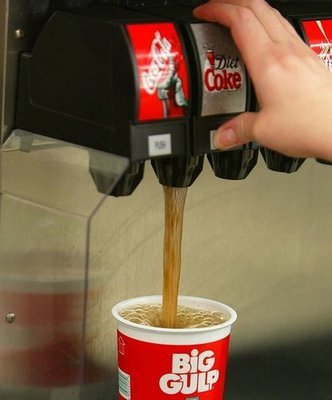
Seriously! Avoid bending the rules for as long as you can. In my 10 years of working with thousands of WLS post-ops not one person has ever said to me, "I truly regret that I followed the rules and missed so many nibbles and bites of treats not supported by my plan." Not one person. Yet, I've listened through the tears to countless people tell me "I just wish I'd never taken that first bite of chocolate (sip of Diet Coke, handful of potato chips, scoop of ice cream, etc). It was the first bite that did me in."


Get more empowering straight talk from our LivingAfterWLS Publications:

http://www.livingafterwls.com/General_Store/General_Store/bundles.html
Superb Value: Bookworm Bundle Save $21
Automatic  Priority Shipping Upgrade
LivingAfterWLS General Store


Monday, August 18, 2014

Back to School Week: The Four Rules

Weight loss surgery (WLS) is frequently perceived as an easy means to weight loss that requires little or no effort by the patient. However, patients who undergo bariatric surgery are prescribed Four Rules of dietary and lifestyle management that they will follow for the rest of their life if they wish to lose weight and maintain a healthy weight. All surgical weight loss procedures including gastric bypass, adjustable gastric banding (lap-band) and gastric sleeve, promote weight loss by decreasing energy (caloric) intake with a reduced or restricted stomach size. The small stomach pouch is only effective when a patient rigorously follows the Four Rules: eat a high protein diet; drink lots of water; avoid snacking on empty calorie snack foods; engage in daily exercise.

As part of their introduction to a bariatric program most patients are taught the Four Rules, which tend to be consistent from one bariatric program to the next. Many patients agree to follow the Four Rules which will work in concert with their surgically altered stomach and digestive system to bring about rapid massive weight loss. Some patients mistakenly believe they can return to the eating and lifestyle habits they practiced before surgery once they have lost the desired amount of weight. However, patients who return to their pre-surgery lifestyle and diet often fail to achieve full body fat loss and frequently regain much of the weight they initially lost.

For patients to lose all of their excess weight and maintain that weight loss they must follow the Four Rules for the rest of their life. Before undergoing any surgical procedure for weight management one must be fully aware of the Four Rules and willing to commit to them for life. Below is a quick look at each rule as it applies to WLS patients:

Get this infograph here: Four RULES

Protein First: At every meal the WLS patient will eat lean animal, dairy, or vegetable protein before any other food. Protein shakes or supplements may be included as part of the weight loss surgery diet. Patients are advised to consume 60-100 grams of protein a day. Eating lean protein will create a tight feeling in the surgical stomach pouch: this feeling is the signal to stop eating. Many patients report discomfort when eating lean protein, yet this discomfort is the very reason the stomach pouch is effective in lowering energy intake. Patients should not consume liquids while eating solid food because liquids will cause the stomach pouch to empty too quickly preventing nutrient absorption and satiation.

Lots of Water: Like most weight loss programs, bariatric surgery patients are instructed to drink lots of water throughout the day. Water hydrates the organs and cells and facilitates the metabolic processes of human life. Water flushes toxins and waste from the body. Patients are prohibited carbonated beverages and advised to drink caffeinated or alcoholic beverages sparingly.

No Snacking: Patients are discouraged from snacking which may prevent weight loss and lead to weight gain. Specifically, patients are forbidden to partake of traditional processed carbohydrate snacks, such as chips, crackers, baked goods, and sweets. Patients who return to snacking or grazing defeat the restrictive nature of the surgery and weight gain results.

Daily Exercise: Patients in recovery from morbid obesity must increase their daily activity and progress to formal fitness building activities that include aerobic conditioning and muscular strength and endurance. Walking, swimming, and biking are all encouraged following gastric surgery. Patients who continue to follow an exercise routine will sustain weight loss and live healthier lives. Patients who do not include exercise as part of their bariatric weight loss program will most likely regain weight and suffer from co-morbidities they hoped to relieve with surgical weight loss.

Nearly a half-million Americans this year will undergo some form of bariatric surgery for the treatment of their morbid obesity. Surgical intervention is proven to be the best treatment for many people in affecting long term weight loss and weight management. However, surgery does not work alone. Patients who are compliant with the Four Rules of dietary and lifestyle change are most likely to enjoy improved health and mobility following a bariatric intervention.


Learn more about the Four Rules and get back to the basics of WLS with the 5 Day Pouch Test plan. Check out the Owner's Manual available for instant download on Kindle:

5DPT Owner's Manual Kindle Edition

Wednesday, October 23, 2013

Think twice before you snack to boost metabolism

Considering a snack to boost your metabolism? Not so fast. There is a much more efficient way to boost metabolism to promote weight loss and enhance mood. Learn more in our LivingAfterWLS Weekly Digest: Change your health destiny

"In today's Weekly Digest we focus on Rule #4 of the Four Rules: Daily Exercise. For me this is the most challenging of the Four Rules, it just seems so difficult to include daily exercise into my over-scheduled schedule. But there is something so basic, so easy, so inexpensive that we can do daily and it will completely change our metabolism, our mood, our weight loss results. That thing is walking. Study after study confirms that a little walking goes a long way to improve our health and weight management efforts. Today's Digest is full of information and inspiration to get us moving, one step at a time, in the right direction. I am already excited to get out and get walking!"

The claim is often made that we need to eat every 3-4 hours to boost our metabolism. However, I've found this leads to snacking on foods that do not necessarily boost metabolism. Eating lean protein may boost metabolism because it is a high-thermic food (requires more calories to digest than the calories it provides). If we are following the Four Rules and eating Protein First our metabolism is already boosted by diet. A better way to sustain high metabolic burn is to include physical movement in our activity throughout the day. Consider this the next time you are inclined to boost metabolism with a snack.

Link to the Digest: Change your health destiny

Thursday, August 29, 2013

What's in your water?

Navigating the rough waters of beverage labeling

Assorted Bottled Water
Morbidly obese people that undergo bariatric surgery for weight loss are instructed to drink lots of water as part of their post-surgical dietary plan. In fact, "Drink Lots of Water" is the second of Four Rules most bariatric surgeons require of patients following any gastric surgical procedure for weight loss. The Four Rules are essential behaviors to be followed during the early months and weeks following weight loss surgery during which weight loss occurs. For life-long weight maintenance patients will continue to follow the Four Rules once goal weight is achieved. In addtion to drinking lots of water patients will follow a high protein diet, avoid snacking and engage in daily exercise.

Water makes up about 60 percent of the adult body's weight and is essential for the transport of nutrients and waste products throughout the body. When a person drinks an adequate amount of the correct type of water it may have a positive effect on their health. The first sign of inadequate fluid intake is thirst and symptoms of dehydration may soon follow.

Weight loss surgery patients who struggle to drink enough water often ask if other beverages count toward their total fluid intake. The advice from bariatric nutritionists varies, but in most cases patients learn the cleaner their fluid intake the more favorable health outcome they will achieve. Below is a glossary of terms one may encounter when purchasing water. A basic knowledge of these terms is useful in helping achieve good body fluid balance.

Artesian water is drawn from a well that taps a confined aquifer in which the water is under pressure.

Bottled water is drinking water sold in bottles.

Carbonated water contains carbon dioxide gas, either naturally occurring or added, that causes bubbles to form in it; also called bubbling or sparkling water. Seltzer, soda, and tonic waters are legally soft drinks and are not regulated as water.

Distilled water has been vaporized and recondensed, leaving it free of dissolved minerals.

Filtered water is treated by filtration, usually through activated carbon filters that reduce the lead in tap water, or by reverse osmosis units that force pressurized water across a membrane removing lead, arsenic, and some microoganisms from tap water.

Hard water has a high calcium and magnesium content.

Mineral water comes from a spring or well that typically contains 250 to 500 parts per million (ppm) of minerals. Minerals give water a distinctive flavor. Many mineral waters are high in sodium.

Natural water is obtained from a spring or well that is certified to be safe and sanitary. The mineral content may not be changed, but the water may be treated in other ways such as with ozone or by filtration.

Public water is from a municipal or county water system that has been treated and disinfected.

Purified water has been treated by distillation or other physical or chemical processes that remove dissolved solids. Because purified water contains no minerals or contaminants, it is useful for medical and research purposes.
Soft water has a high sodium or potassium content.

Spring water originates from an underground spring or well. It may be bubbly (carbonated), or "flat" or "still," meaning not carbonated. Brand names such as "Spring Pure" do not necessarily mean that the water comes from a spring.

Well water is drawn from ground water by tapping into an aquifer.

Kaye Bailey (c) 2010 - All Rights Reserved


Liquids Restrictions & Liquid Meals: Making sense of it

Recently I have observed some confusion in our online communities about the weight loss surgery liquid restrictions. Reason for the confusion are many including different instructions from different doctors and different interpretation of the liquid restrictions by patients.  Sometimes I get confused about the rules when it comes to consuming liquid with meals.

The Four Rules of WLS

For clarification let's note that the professional consensus is people who have undergone any of the currently approved bariatric procedures for weight loss should not drink liquids while eating meals. A meal is considered any food (liquid, soft protein, firm protein, complex carbs., etc) that contains nutrients and is meant to fuel and satiate the body. More often than not patients are advised to avoid liquids for a specified time period before and after eating a meal. This window of time is called by many the "Liquid Restrictions" and some people note it this way: 30/15/30  or 15/15/15. In the first example there would be no liquids 30 minutes before a meal, no liquids during a timed meal of 15 minutes, and no liquids for 30 minutes following the last bite of a meal. If you are unsure of your specific liquid restrictions check with your bariatric center nutritionist, in your dietary guidelines, or with your support group leader.

Now, I do not personally sit on a stop watch while fasting from liquids, but I do stay mindful of the rule. It is important for two reasons: first the pouch or sleeve will stay full longer if the food is allowed to digest before being washed through with liquid. Secondly, the longer the food is allowed to travel through the digestive system without being pushed by liquids, the more nutrients will be observed. When we are eating so few calories, because of the surgery, it is highly important that we give our body ample time to make the most of what we feed it.

Liquid restrictions should be followed when eating a liquid meal such as a protein fortified smoothie or one of our favorite 5 Day Pouch Test Soups.  We want to feel full and satisfied longer which will prevent snacking after meals, and we want to enjoy the benefits of the nutrition we provided our body in the meal.

We addressed the topic of Rule #2 - Lots of Water, and the Liquid Restrictions in a detailed newsletter in 2011. It is available for you online in our archive:

LivingAfterWLS Weekly Digest
February 2, 2011
The Four Rules: #2 Drink Lots of Water
Understanding & Accomplishing Water Intake
Without Floating Away!

Check it out here in our Archive:
Weekly Digest 02022011


To learn more about the liquid restrictions
take a look at this featured article from the 5 Day Pouch Test:


Restrict Liquids, Drink Lots of Water - HUH?
Making Sense of WLS Guidelines
In a country where food and drink go hand in hand weight loss surgery patients are challenged to follow the liquid restrictions as instructed by their bariatric center. But understanding and following the liquid restrictions plays a key role in long-term weight maintenance following gastric bypass, gastric sleeve, or adjustable gastric banding (lap-band) surgeries.

In general, bariatric centers instruct weight loss surgery patients to avoid drinking liquids for thirty minutes before a meal, during the meal, and for thirty minutes following the meal. This easily adds up to 90 minutes of no liquids three times a day: four-and-one-half waking hours. It is easy for patients to become frustrated with these restrictions because another rule of weight loss surgery is to drink lots of water, at least 64 ounces a day. Understanding why the liquid restrictions are necessary and how water intake affects weight management will increase the likelihood a patient will follow the guidelines.

Link to Continue Reading: Restrict Liquids, Drink Lots of Water - HUH? Making Sense of WLS Guidelines

Tuesday, July 30, 2013

A Storm of Enthusiasm is Coming to Your WLS World!

LivingAfterWLS Weekly Digest: July 30, 2013
Practice leads to Back to Basics

Greetings!

We are about to turn the page on a new month as summer slowly slips away. I hope you are well and have been enjoying some favorite activities of LIVING during this slower-paced season. Thank you so much for selecting this correspondence from the many that fill your Inbox, I appreciate the time you spend with me.

Our July Theme, Practice Practice Practice, has focused on the constant effort health management requires of us, particularly weight management with surgery. Your feedback has shown us this topic has been quite an eye opener for many of us as we share the expectation that we should have been able to get WLS done right from the very start. But time has shown it is an endless pursuit of following the rules, self-assessment, constant learning, and a few detours along the way. There are days when I wonder, "Am I ever going to get this right?" and look at me - the focus of my workday is on understanding life after weight loss surgery!

As a follow-up to our practice theme, in August we will focus on Back to Basics. August is a terrific month to review the basics, set goals, and actively get back to working the WLS tool in a manner that it in turn the tool works for us. In today's Digest we visit the Four Rules in a brief refresher.  Also today please see a clarification to last week's article on liquids, and don't miss the featured recipe: Tuna and White Bean Salad.

I often talk about the "Storm of Enthusiasm" that is necessary in the movement toward change. You felt the Storm of Enthusiasm in the days and weeks prior to surgery and your new chance at finally getting control of your health and weight. In the next few weeks we will recapture that Storm of Enthusiasm together! I can hardly wait. The following is a brief excerpt from the 5 Day Pouch Test Owner's Manual:  (Continue reading in our Archive)

Wednesday, July 24, 2013

Diet soda contributes to weight gain after WLS

What everyone must know about diet soda - Especially weight loss surgery patients!!

"In fact, according to a group of researchers at Purdue University, drinking diet soda may not only be as bad for your health as the regular stuff, but it may be causing you to pack on the pounds."

Taken from our LivingAfterWLS Weekly Digest July 23 titled, "Diet Soda is Making Us Sick: New studies implicate diet soda in weight gain and deadly disease." Link to the bulletin for this important information - free in our online archive.
Click Now!

Thursday, June 20, 2013

Free Printable because We Are All in this Together!


Greeting everyone and happy Summer-Eve! Longest day of the year don't ya know? I love
Click image to open PDF File for download.
it. Hey - we have had such great feedback on our June 5DPT Bulletin "Don't Blame the Equipment, Just Make the Play" that we have created a complimentary printable with two 6x4-inch images for you to print. The file is a PDF format, just follow the link, download, print, and post where you can enjoy these gentle reminders throughout your day. And Thank You Pat R. in Ohio for the suggestion!

Open the PDF file for download

Follow that link or go to www.5daypouchtest.com and click Tools.

Let us know what you think and if you would enjoy more printables.


If you missed it, here is the June 5DPT Bulletin in our archives: 
"Don't Blame the Equipment, Just Make the Play"  

Monday, June 10, 2013

Heat Related Injury After WLS: Are you at risk?

Weekly Digest June 10 - WLS & Heat Dangers! What you must know
Our LivingAfterWLS Weekly Digest has been delivered to your Inbox and is also available online in our archive. Very important topic this week! Don't miss it. Link below.

"Those of us with weight loss surgery may be at increased risk of heat related illness if we struggle with the all-important Rule #2 of the Four Rules: Drink Lots of Water. As bariatric patients we are instructed to sip-sip-sip water during waking hours to keep our body hydrated and facilitate weight loss. In situations of extreme heat even a slight case of dehydration can become serious and may include symptoms very similar to dumping syndrome such as dizziness and disorientation.

Please take a moment to review the articles in this week's Digest and take appropriate action to protect your body from heat related illness with proper hydration and other temperature-lowering actions. And be mindful of those around you for symptoms that suggest a heat related illness, sometimes we do not recognize the symptoms in ourselves. Let's take care and avoid being one of the statistics during this season of celebrating our new healthy life. You deserve to take extra-steps to be healthy and enjoy your new life of LivingAfterWLS! Make sure to review our Four Rules and don't miss this week's featured recipe: Smoked Turkey & Melon Salad.


Go to the newsletter in the archive: Digest June 10, 2013

Thursday, May 30, 2013

Why should you follow the Four Rules of Weight Loss Surgery? Because you deserve to thrive in your best healthy life

Learn more about the Four Rules of Weight Loss Surgery #WLS from this helpful infographic brought to you by Kaye Bailey and LivingAfterWLS.com


Four Rules Infographic


Friday, February 08, 2013

Protein First! But are you getting enough?

From the February 2013 5 Day Pouch Test Bulletin
Read the Bulletin in our Archive

How much protein have you had today?
Protein shortfall puts our health at risk   Kettle-Grilled Chicken

"As a group, we are not eating enough protein and this shortfall is putting our health at risk."
We know that after weight loss surgery we should follow a high protein diet. We call this "Protein First" - the first of the Four Rules of WLS. Mainstream studies of people managing their weight without bariatric surgery continue to indicate a diet high in protein supports weight loss and weight management in addition to promoting health.

WebMD recently reported, "Diets higher in protein and moderate in carbs, along with a lifestyle of regular exercise are often purported by experts to reduce blood fats and maintain lean tissue while burning fat for fuel without constant hunger sidetracking dieters." Researchers don't understand exactly how protein works to turn down appetite. They surmise that it may be because a high-protein diet causes the brain to receive lower levels of appetite-stimulating hormones. It may be due to eating fewer carbs and/or the specific protein effect on hunger hormones and brain chemistry.

How Much Protein Do You Need?

Continue reading newsletter in our Archive: February Bulletin

Friday, September 07, 2012

Get back to Protein First with 5 Day Pouch Test

Are you struggling to manage your weight or lose weight with weight loss surgery? Maybe you are not eating enough protein. Check out the September 5 Day Pouch Test Bulletin for little hints that make a big difference in your success.  Here is one of them:


Measure Portions:
We worry so much about the reading on the bathroom scale and so little about the reading on the kitchen scale.
 
The only way to know exactly what we are serving our self is to measure and weigh portions.
 
Eyeballing hasn't worked for us in the past. Leaving it to pouch control doesn't necessarily work. Weigh protein, 3 to 4 ounces per meal. Measure soup, 1/2 to 1 cup per meal. Count bites: 2B/1B Rhythm - 2 Bites Protein to 1 Bite Carbohydrate. Monitor water, at least 64 ounces a day. Measure food and water intake as vigilantly as we measure body weight on the bathroom scale - one becomes the other.
We are so ready to celebrate or agonize over a few ounces changed on the bathroom scale, yet so indifferent to measuring our meals on the kitchen scale. Can't we see the two are intrinsically related and one affects the other?


September 5 Day Pouch Test Bulletin

Is your health at risk because of Rule #1?

From the September 5 Day Pouch Test Bulletin

Greetings Neighbors!
How much protein have you had so far today?
  
 "As a group, we are not eating enough protein and this shortfall is putting our health at risk."

Protein & Fruit WLS Perfect Meal We know that after weight loss surgery we should follow a high protein diet. We call this "Protein First" - the first of the Four Rules of WLS. Mainstream studies of people managing their weight without bariatric surgery continue to indicate a diet high in protein supports weight loss and weight management in addition to promoting health.

WebMD recently reported, "Diets higher in protein and moderate in carbs, along with a lifestyle of regular exercise are often purported by experts to reduce blood fats and maintain lean tissue while burning fat for fuel without constant hunger sidetracking dieters." Researchers don't understand exactly how protein works to turn down appetite. They surmise that it may be because a high-protein diet causes the brain to receive lower levels of appetite-stimulating hormones. It may be due to eating fewer carbs and/or the specific protein effect on hunger hormones and brain chemistry.

How Much Protein Do You Need?

The experts are now suggesting dieters eat 120 grams of protein a day to get the potential weight loss benefit. They advise advancing protein intake gradually, "If you want to increase your protein intake, do it slowly over the course of a week.  To be on the safe side, check with your doctor before adding large amounts of protein to your diet."

120 grams = 20 ounces or 1.25 pounds protein/day

Bariatric centers are less precise in their protein recommendations. In fact, a 2008 study reveals nutritionists recommend anywhere from 60 to 105 grams of protein a day for patients following a 1,200-calorie diet. The recommendations vary so much that there is confusion in the WLS population about how much protein we need. What we do know is that as a group, we are not eating enough protein and this shortfall is putting our health at risk.
In 2011 a leading researcher and bariatric specialist reported, "We found that there have been few studies on protein intake recommendations for bariatric patients. Dietary protein ingestion among this population tends to be inadequate, potentially leading to a loss of lean body mass, reduced metabolic rates, and physiological damage. Conversely, a protein-rich diet can lead to increased satiety, enhanced weight loss, and improved body composition. The quality and composition of protein sources are also very important."

We need to turn this trend around. Today's 5 Day Pouch Test Bulletin takes a look at how we can use our 5DPT experience as a catalyst to following and enjoying a high protein diet and the health benefits and weight loss that accompany it.  As we turn the page on summer stepping into autumn let's use the enthusiasm of "back to learning" to make a new commitment to the goals and health objectives that we valued so much when we underwent surgery in the first place.
We are all in this together!
You are more powerful than you think and
You Can Do This!

Kaye

Link to the bulletin: 5DPT September

Wednesday, September 07, 2011

New in LivingAfterWLS General Store!

NEW!
Antioxident Protein Drink Mixes
10g Protein/Serving
All Natural Ingredients
Portable
Delicious!

Herbal Teas Only 50 Calories
Enjoy anytime on the
5 Day Pouch Test
High Quality Whey Protein Isolate by America's Protein Experts Designer Whey.
Include as part of your healthy diet and weight management with weight loss surgery.
Try Our 2-Serving Sample
1 Serving each flavor:
Orange Mango
Pomegranate Fruit

List: $5.10
Your Bargain Price: $4.85
Buy Now!

Shop LivingAfterWLS General Store

Tuesday, July 12, 2011

Danger! Warm Summer Weather May Lead to Dehydration For Weight Loss Surgery Patients

Dehydration leads to wilting in flowers and humans too! 

Following bariatric surgery for weight loss patients are instructed in the Four Rules of weight loss surgery; the second of which is drink lots of water. This rule is of particular importance during the warm summer months when perspiration and elimination cause greater water losses and the potential for dehydration increases.

Water constitutes about 60 percent of an adult's body weight. In the body, water becomes the fluid in which all life processes occur. Water in the body fluids carries nutrients and waste products throughout the body; maintains cell structure and participates in metabolic reactions; serves as the solvent for minerals, vitamins, amino acids, glucose and other small molecules, acts as a lubricant around joints, the spinal cord and inside the eyes; aids in the regulation of normal body temperature and maintains blood volume. To support these vital functions, and others, the body actively maintains an appropriate water balance. When the body is short of water the condition known as dehydration results.

Dehydration is the condition in which body water output exceeds water input meaning we eliminate and perspire more fluid than we ingest. Symptoms of dehydration include thirst, dry skin and mucous membranes, rapid heartbeat, low blood pressure and weakness. When a message of thirst is unanswered the symptoms of dehydration may progress rapidly from thirst to weakness, exhaustion, and delirium and end in death of not corrected. Dehydration may easily develop with either water deprivation or excessive water losses.

To avoid dehydration and illness caused by insufficient water balance weight loss surgery patients can take the following measures to insure adequate water intake:

Lots of Water. The second rule of weight loss surgery is drink lots of water. During the initial stage of weight loss this is key in flushing fat and toxins from the body and keeping all metabolic processes functioning smoothly. To ensure enough water is consumed a good measure is to drink one ounce of water for every two pounds of body weight. Water intake should occur throughout the day.

Fortified Beverages. Vitamin and mineral fortified beverages are beneficial to some weight loss surgery patients. The flavoring makes them more palatable making it easier to consume generous amounts of water. Be certain to enjoy only non-calorie fortified beverages that do not contain sugar or other high calorie sweeteners.

Green Tea or Sun Tea. Freshly brewed green tea or herbal tea served over ice and sweetened with non-calorie sweeteners is another good way to stay hydrated during warm summer weather. The health benefits of green tea and herbal tea may contribute favorably to a well-planned health and weight management program.

Water Containing Foods. Many foods contain a high percentage of water that contribute to body hydration. Enjoy vegetables and fruits such as strawberries, watermelon, lettuce, cabbage, celery, spinach, apples, grapes, citrus, and carrots. All of these foods contain more than 80 percent water which will contribute to hydration and provide a valuable source of vitamins and minerals.

Kaye Bailey (c) 2010 - All Rights Reserved

The Weight Loss Surgery Four Rules

Rule #2 - Lots of water

Summer is here with searing hot temperatures across much of the country. Now is a good time to refresh our memory on the weight loss surgery Rule #2 - Drink lots of water. As a general rule we need to nourish and flush our bodies with 65 ounces of water a day -- minimum. In our January LivingAfterWLS refresher course of the Four Rules we discussed water intake at length. You can find the newsletter in our Archive: LivingAfterWLS Newsletters
 
Today's LivingAfterWLS Digest is the second in our New Year's refresher series about the Four Rules. We are looking at Rule #2 - Lots of Water. Water consumption and weight loss is old news to those of us who are lifelong dieters. We know drinking water flushes away toxins and facilitates weight loss. As weight loss surgery patients we must make water intake a priority, but we also have to manage water intake around our quirky liquid restrictions. Frankly it can be a hassle sometimes to meet the daily requirements of Rule #2 - Lots of Water. Today's digest features several articles about the hows and whys of water consumption. Take a minute to fill your glass right now and then refresh your memory on this important rule. Remember, when we signed on for surgery we agreed to follow these rules -- for life! Bottoms up!
Link to the Newsletter
 Be sure to read this article: Restrict Liquids, Drink Lots of Water - HUH? Making Sense of Weight Loss Surgery Guidelines

Monday, April 04, 2011

Should "Daily Vitamins" be Rule #5?

Earlier this year we concluded our four-part Weekly Digest series refresher course of the weight loss surgery Four Rules. You know them by heart: Protein First; Lots of Water; No Snacking; Daily Exercise. I have long wondered, as many of you have, why taking our vitamin supplements is not part of the near-sacred list that is used almost universally by bariatric centers around the world. After all, we are instructed at length about our need for vitamins supplementation after a gastric weight loss surgery, particularly if we have undergone an malabsorptive procedure. So in keeping with our review of the daily activities that support and sustain our health after surgery today we look at Vitamin Supplements .  Join me in making this your unwritten Rule #5 for good health and wellness after weight loss surgery.


As a gentle reminder we added "Don't forget your vitamin supplements" to our cheerful Spring and Summer 2011 Four Rules refrigerator magnet. You can get the magnet for free when you place an order at the LivingAfterWLS General Store any time in April. Shop Now

As with all things related to our weight loss surgery, your specific vitamin supplementation prescription should be made by your bariatric surgeon, bariatric nutritionist and/or general care physician. Annual blood tests will determine deficiencies which can be treated with supplementation. So please, be informed about your vitamin and mineral intake and visit candidly with your health care team to ensure your best health. You deserve to be your nutritional best. In this digest we have included articles and links to help you be better informed about nutritional supplements and the impact they have on our wellness.

To review the Four Rules featured in our previous newsletters click on this blog post: 2011 Four Rules Refresher Course.