LAWLS Bookstore

Showing posts with label healthy living. Show all posts

Thursday, February 09, 2017

National Wear Red Day: American Heart Associaton

Greetings Good Readers!

This month on Fridays I invite you to wear your favorite red outfit and join me to #GoRed in support of the American Heart Association Go Red for Women heart disease awareness program! Will you join me? As part of your new healthy life after WLS take advantage of the tools offered by the American Heart Association to evaluate your health and risk factors. Start here: AHA: Know Your Numbers


This is important to us after WLS (as well as before) but even more so after undergoing major bariatric surgery on an otherwise healthy organ (stomach and intestine) to help manage obesity and the comorbidities and chronic conditions associated with it including heart disease.

Be proud of yourself! From the press release below here are a few bullet points of things that I know you have already done to improve your health! Way to go! No put on some red and celebrate your good health and ongoing pursuit of wellness!

Looks at how far we've come my WLS neighbors:
  • Nearly 90% of women have made at least one healthy behavior change.
  • More than one-third of women has lost weight.
  • More than 50% of women have increased their exercise.
  • 6 out of 10 women have changed their diets.


The following is a press release from American Heart Association: Go Red for Women

"Ask any stylist, job coach or dating expert and they’ll tell you that red stands out. Eyes are immediately drawn to it. Some even say that the color red is a confidence booster and makes you feel powerful. Maybe that’s why we chose the color red to signify our fight against the No. 1 killer in women. Maybe it’s just a coincidence that it’s also the color of our hearts.

In 2003, the American Heart Association and the National Heart, Lung and Blood Institute took action against a disease that was claiming the lives of nearly 500,000 American women each year – a disease that women weren’t paying attention to. A disease they truly believed, and many still believe to this day, affects more men than women.

Link to Know Your Numbers with AHA


Stemming from that action, National Wear Red Day was born. It’s held on the first Friday in February every year to raise awareness about heart disease being the No. 1 killer of women.

This coming National Wear Red Day, Feb. 3, 2017, will mark 14 years since the initial National Wear Red Day, which was first observed to bring national attention to the fact that heart disease is the #1 killer of women, and to raise awareness of women’s heart health.  And looking back on all we’ve accomplished, we’ve really made tremendous strides. They include:

    Nearly 90% of women have made at least one healthy behavior change.
    More than one-third of women has lost weight.
    More than 50% of women have increased their exercise.
    6 out of 10 women have changed their diets.
    More than 40% of women have checked their cholesterol levels.
    One third of women has talked with their doctors about developing heart health plans.
    Today, nearly 300 fewer women die from heart disease and stroke each day.
    Death in women has decreased by more than 30 percent over the past 10 years.

But despite our progress, more work is crucial. 1 in 3 women die of heart disease and stroke each year. But what’s more powerful? Millions of mothers, sisters, daughters and friends making a change.


Support the cause:
Donations make a difference no matter how small or large. Go Here

More than ever, your financial contributions help save women’s lives. Funds raised by Go Red support educational programs to increase women’s awareness about their risk for heart disease and stroke as well as critical research to discover scientific knowledge about cardiovascular health.

We deeply appreciate all of your support. We wouldn’t be where we are without you. But we have more to accomplish." Learn More: American Heart Association: Go Red for Women

Wednesday, November 05, 2014

Healthy Eating Day: AHA Quick Chicken Chili

Today is the American Heart Association National Eating Healthy Day! As we discussed in yesterday's blog post, "It is an opportunity for all of us --with a vested interest in our health after weight loss surgery, and the health of those we care about who join us at the table-- to purposefully direct our attention to good eating and the benefits it brings. I love the idea of a day dedicated to wellness and eating healthy."
Take the first step to making healthier food choices by taking part in the American Heart Association's National Eating Healthy Day on Wednesday, Nov. 5, 2014. On this day, Americans are encouraged to commit to healthier eating.
In browsing the American Heart Association's online Recipe Collection I found it interesting that many of their meals are family-affordable and can be prepared quickly using basic cooking skills. So often we hear eating healthy is expensive and time consuming. But it doesn't have to be. The recipes from AHA do not require crazy ingredients or multiple steps for preparation, but they are delicious and family friendly. This recipe caught my eye, I'm a big fan of chicken or turkey chili. Take a look at this recipe - I'm putting it on my menu tonight! For more recipes from AHA Link Here


Quick Chicken Chili
This Simple Cooking with Heart recipe is a yummy twist on traditional chili, switching in chicken for ground beef. It's easy to make in a hurry! Recipe shared by the American Heart Association.
For more great heart healthy recipes from AHA Link Here

Ingredients
non-stick cooking spray
1 lb. boneless, skinless chicken breasts or tenderloins
1 lb. ground white meat chicken or turkey
1 medium onion
1 medium bell pepper (any color)
3 clove garlic
1 tsp. jarred, minced garlic
2 cup fat-free, low-sodium chicken broth
1 16- oz. canned, fat-free, low-sodium chicken broth
2 15.5- oz. canned, no-salt-added, or, low-sodium beans (mix or match pinto, red, kidney or navy)
1/2 tsp. pepper
1 tsp. cumin
1/2 tsp. chili powder (optional)
1 medium chopped jalapeƱo (optional if you like spicy chili)
fresh cilantro (optional)
1/2 cup low-fat, (or), fat-free sour cream (optional)

Directions
1. Remove visible fat from chicken, cut into bite-sized pieces.
2. Spray large pot with cooking spray. Add chicken, onion, garlic, chili powder (optional) or jalapeno (optional) cooking over medium-heat until chicken is no longer pink (about 7 minutes)
3. Lightly mash the drained, rinsed beans with a fork.
4. Add all remaining ingredients to chicken mixture and simmer on high for 10 minutes.
5. Spoon chili into bowl and enjoy!


Tuesday, November 04, 2014

It's all about learning: National Eating Healthy Day

Tomorrow marks the American Heart Association's National Eating Healthy Day. It is an opportunity for all of us --with a vested interest in our health after weight loss surgery, and the health of those we care about who join us at the table-- to purposefully direct our attention to good eating and the benefits it brings. I love the idea of a day dedicated to wellness and eating healthy.

 There are few things in our life over which we have as much control as we have over our diet. Certainly eating healthy requires effort and planning and sometimes fixing a decent meal is disruptive and inconvenient. But like anything, the more we learn about the subject the easier it becomes. This learning process, to me, is the essence of National Eating Healthy Day. We don't have to get every meal nutritionally perfect. But we can make adjustments, a little at a time, to improve our menu one meal at a time and one day at a time.

"On this day, Americans are encouraged to commit to healthier eating. Celebrating National Eating Healthy Day is fun and easy! We provide a complete toolkit of materials and how-to information for workplaces, schools, individuals and community organizations." AHA


I found this article on the American Heart Association's website to be most helpful in presenting small changes that make a big difference to our health in the long run. I hope you find it useful as well. Be sure to visit the American Heart Association Getting Healthy web resource. It is a remarkable repository of information to support a healthy life.

Healthy Eating Habits Start at Home

"Meals away from home account for at least half of the money Americans spend on food. But saving money – while eating healthier – is easier than you might think. The American Heart Association has developed healthy tips, recipes and guides to make it even easier to do both by preparing more meals at home. And what better time for your family to start making healthier food choices than March, which happens to be National Nutrition Month?

“With busy, on-the-go lifestyles, many Americans have lost touch with their kitchens and thrown in the towel on eating healthy, which is key to prevention of heart disease and stroke,” said Dr. Rachel Johnson, Ph.D., MPH, R.D., Chairperson of the American Heart Association Nutrition Committee and Bickford Professor of Nutrition at the University of Vermont. “Eating at home can improve a family’s diet – and it’s easier on the pocketbook, too.”

About one-third of Americans are overweight or obese, including nearly 13 million children. Childhood obesity has become a major health concern, causing health problems in children that previously weren’t seen until adulthood such as high blood pressure, type 2 diabetes and high cholesterol. Parents are key to helping overcome this national epidemic.

Healthy habits start at home,” Johnson said. “We want to help people establish a healthier way of life so they can be around to enjoy their families. Parents and grandparents can pass down a healthy legacy to their children and grandchildren – and we can help the next generation of Americans lead better, longer and healthier lives.”
Here are some tips to help you and your family start eating healthier:
  • Enjoy meals together. When everyone sits down together to eat, there’s less chance of children eating the wrong foods or snacking too much.
     
  • Get kids involved in cooking and planning meals. Everyone develops good eating habits together and the quality time with the family will be an added bonus.
     
  • Eating healthier at home starts with the ingredients you use. Many favorite recipes can be made healthier by substituting ingredients.
     
  • When you use oils for cooking, baking or in dressings or spreads, choose healthier oils — which include canola, corn, olive, safflower, sesame, soybean and sunflower oils.
  • Limit added sugars in your family’s diet. Sugar-sweetened beverages are the largest source of added sugars for most of us, so reduce or cut out soda, sports drinks, energy drinks and fruit drinks as well as enhanced waters, sweetened teas and sugary coffee drinks. Drink more plain water instead.
  • Try to reduce the amount of sodium you eat. If using packaged foods, compare food labels, and choose the product with the least amount of sodium. Use herbs and spices to add flavor when cooking, instead of salt.
     
  • Eat more vegetables and fruits, whether fresh, frozen, dried or canned. Add them to dishes your family already loves and use them as healthier sides, snacks and desserts. If you choose canned, watch for added sodium and sugars.
Thanks to the American Heart Association for providing this useful article.For more nutrition tips, healthy recipes and resources to help your family get healthier, please visit heart.org/healthyhome.

Healthy Eating & WLS
Eating a traditional healthy diet after weight loss surgery is a challenging balancing act. We must follow the high protein eating guidelines in order to lose weight and sustain that weight loss. But to prevent culinary boredom and avoid nutritional gaps we need to include healthy complex carbohydrates and healthy fats in our meal plans. Knowing the basics is a great starting point for building sound nutrition that supports our weight loss surgery goals.  Keep reading here as we continue to provide valuable information that supports our health and well being.

Friday, September 19, 2014

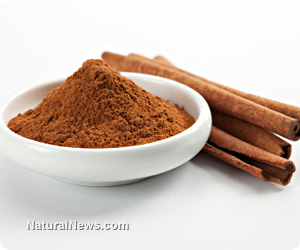
Cinnamon and Ginger: Healing Herbs

It is not uncommon, after surgical weight loss, to experience frequent bouts of indigestion or mild stomach discomfort. We simply do not have enough digestive enzymes. Foods that may cause indigestion tend to be processed simple carbohydrates or high in fat. Often we turn to over-the-counter digestive aids that may or may not help. Some actually do more harm because they are time released made for people with a full intestinal tract and our short-circuit systems cannot handle them either.

But what I've learned over years of tending my tiny stomach pouch is that food mindfully prepared with limited fat and processed ingredients, and rich in protein seasoned and flavored with herbs and spices seldom results in stomach upset.

Cinnamon and Ginger are carminative herbs that contain compounds that can soothe the stomach and prevent gas. They are ideal for preventing and treating indigestion. They may give our tiny pouches a boost when it comes to digestion and prevent stomach upset that might otherwise occur.

In reviewing the culinary history of the world we learn that ginger has been the herb of choice for seasoning fish and seafood. Recipes date back thousands of years in China's history, to when fish and seafood weren't always fresh and often caused indigestion or worse. James A. Duke in "The Green Pharmacy" tells us, "Ancient Chinese cooks discovered that if they flavored their fish with ginger, it was less likely to cause stomach upset. Ginger has been the spice of choice for fish ever since." (Rodale Copyright 2001 - Page 103).

I think as people recovering from morbid obesity we owe it to ourselves to take advantage of the best natural remedies whenever possible. I believe this with all my heart. Research and experience has taught me it is possible to achieve nutritional balance, in most cases, with the inclusion of the best ingredients in mindfully prepared meals. Don't you agree?

In addition to cinnamon and ginger the following carminative herbs can be included in the diet to avoid and/or relieve stomach distress:
anise, cardamom, chamomile, cilantro, coriander, lavender, lemon balm, licorice, peppermint, red pepper, and spearmint.
Peppermint may very well be the best digestive herb available. It is antibacterial and will fight-off food borne bugs. It promotes gastric secretions so you digest food more efficiently. It is antispasmodic, helping to prevent and relieve abdominal cramps and it is carminative to settle the stomach and prevent gas. Try a nice cup of peppermint tea one hour before meals and see how it works for you.

For great recipes with health promoting ingredients check out Cooking with Kaye.

Tuesday, November 23, 2010

2010 Limited Edition Classic Poultry Blend Seasoning - ON Sale Now!

LivingAfterWLS General Store
The low-sodium herb blend is shown here in the decorative tin. The 2-ounce container (1/2 cup volume) is plenty to flavor your favorite autumn roast poultry, pork and vegetables throughout the cold winter months and will stay fresh and flavorful stored in the functional reusable tin. Tin measures 4-1/4"x 2-3/4" x 1-1/4" deep. Spice blend is delivered in tin tightly preserved in resealable plastic bag for optimum freshness.

"Smells like Thanksgiving, and stuffing, and home. Delicious. "
Kaye's husband Jim

Buy Now
Suggested Price: $10.40
Your Value Price: $8.55 - Save $1.85


LivingAfterWLS General Store
Our Thanks to You
Coupon Code: THANKS2010
Save $3.00 Off Order of $20 or More!!
November 15-30, 2010

Monday, October 04, 2010

Healthy Vigilance Benefits Women Fighting Obesity With Weight Loss Surgery

For many women, weight loss surgery is a springboard for improved vigilance regarding all personal health issues. Women in particular become champions of their own health following the massive weight loss that results from gastric bypass, adjustable gastric band (lap-band), or gastric sleeve surgery. The weight loss affords many who suffered from overall poor health due to morbid obesity a chance to actively pursue a healthier lifestyle, including proactive monitoring of health risks.

Patients are advised to develop a relationship with their general health care provider who will monitor health risks with standard testing. Below are guidelines for standard testing. However, some patients may require different tests or different frequency in testing based on their health and family history of disease.

Breast Cancer: Mammogram is the standard screening test for breast cancer. Unless there is a family history of breast cancer women should be screened beginning at age 40 with follow-up screening every 1 to 2 years on the advice of their physician.

Cervical Cancer: Women age 25 or older should have a pap smear every 1 to 3 years to screen for cervical cancer. Personal health and family history will factor in your doctors decision for the frequency of testing. Screening may stop at age 65 if advised by a physician.

Colorectal Cancer: Women should be tested for colorectal cancer beginning at age 50 with a colonoscopy. The test should be repeated every 5 to 10 years.

Diabetes: The FPG test; oral glucose tolerance test, is the standard method of screening for diabetes. With no risk factors or family history of diabetes testing for women will begin at age 45 and be repeated every 3 years.

High Blood Pressure: The familiar blood press cuff (Sphygmomanometer) is the standard test for high blood pressure. Women should be tested beginning at age 30 with monitoring every 2 years, or more frequently if blood pressure tests high.

High Cholesterol: A blood test to measure the lipoprotein profile will indicate when a woman has high cholesterol. Cholesterol levels should be measured beginning at age 20 and repeated every 5 years. More frequent testing may be prescribed for those found to have high cholesterol.
 
Osteoporosis:
A bone density test will be done to determine the health of the skeletal system. Women should be tested for osteoporosis beginning at age 65 and repeated every two years. Earlier testing may be ordered for those with a family history of osteoporosis.

Standard guidelines are set for all medical testing. However, a close relationship with your personal physician may indicate a different screening schedule for you based on your personal health history, current symptoms, and family health history. Establishing an honest and mindful relationship with a health care provider is beneficial to all seeking proactive health management.

LivingAfterWLS Neighborhood
5DayPouchTest

Tuesday, November 10, 2009

New! Know Your Numbers Health Journal

I'm very excited to introduce a new product in our LivingAfterWLS General Store - Ready to ship to you today:

Know Your Numbers Journal

Good records are the key to early detection & prevention of disease. This 36-page guide helps men & women stay informed about important numbers, such as cholesterol levels and blood pressure readings, as well as recommended screenings for cancer, hearing loss and much more. Includes room to keep years of results in one handy guide. Record dates of medical/dental exams, weight, blood glucose, blood pressure, cholesterol, thyroid, vision, hearing, bone density, cancer screenings, contact information and much more. A must have for any health-conscious individual.! SKU#1241718434 Sale Price: $4.95 (SAVE 15%)

Shop the LivingAfterWLS General Store

Thursday, March 19, 2009

Veggies Close to Home for Obamas

As reported in the New York Times March 19, 2009. I believe the example this will set sends a powerful message encouraging healthy food grown close to home. I will anxiously be watching for updates on the garden and watching my mail for an invite to a White House Dinner serving home-grown heirloom tomatoes! Good Food - Good Times!!!

Obamas Prepare to Plant White House Vegetable Garden


WASHINGTON — On Friday, Michelle Obama will begin digging up a patch of White House lawn to plant a vegetable garden, the first since Eleanor Roosevelt’s victory garden in World War II. There will be no beets (the president doesn’t like them) but arugula will make the cut.

While the organic garden will provide food for the first family’s meals and formal dinners, its most important role, Mrs. Obama said, will be to educate children about healthful, locally grown fruit and vegetables at time when obesity has become a national concern.

In an interview in her office, Mrs. Obama said, “My hope is that through children, they will begin to educate their families and that will, in turn, begin to educate our communities.”

Twenty-three fifth graders from Bancroft Elementary School in Washington will help her dig up the soil for the 1,100-square-foot plot in a spot visible to passers-by on E Street. (It’s just below the Obama girls’ swing set.) Students from the school, which has had a garden since 2001, will also help plant, harvest and cook the vegetables, berries and herbs.

Almost the entire Obama family, including the president, will pull weeds, “whether they like it or not,” Mrs. Obama said laughing. “Now Grandma, my mom, I don’t know.” Her mother, she said, would probably sit back and say: “Isn’t that lovely. You missed a spot.”

Whether there would be a White House garden has been more than a matter of landscaping. It’s taken on political and environmental symbolism as the Obamas have been lobbied for months by advocates who believe that growing more food locally could lead to healthier eating and lessen reliance on huge industrial farms that use more oil for transportation and chemicals for fertilizer.

In the meantime, promoting healthful eating has become an important part of Mrs. Obama’s agenda.

“The power of Michelle Obama and the garden can create a very powerful message about eating healthy and more delicious food,” said Dan Barber, an owner of Blue Hill at Stone Barns in Pocantico Hills, N.Y., an organic restaurant that grows many of its own ingredients. “I don’t think it’s a stretch to say it could translate into real change.”

The Clintons grew some vegetables in pots on the roof of the White House. But the Obamas’ garden will have 55 varieties of vegetables — from a wish list of the kitchen staff — grown from organic seedlings started at the executive mansion’s greenhouses.

The Obamas will feed their love of Mexican food with cilantro, tomatilloes and hot peppers. Lettuces will include red romaine, green oak leaf, butterhead, red leaf and galactic. There will be spinach, chard, collards and black kale. For desserts, there will be a patch of berries. And herbs will include some more unusual varieties, like anise hyssop and Thai basil. A White House carpenter who is a beekeeper will tend two hives for honey.

Total cost for the seeds, mulch, etc., is $200.

The plots will be in raised beds fertilized with White House compost, crab meal from the Chesapeake Bay, lime and green sand. Ladybugs and praying mantises will help control harmful bugs.

Cristeta Comerford, the White House’s executive chef, is eager to plan menus around the garden, and Bill Yosses, the pastry chef, is looking forward to berry season.

Sam Kass, an assistant White House chef who prepared healthful meals for the Obama family in Chicago and is an advocate of local food, will oversee the garden. The White House grounds crew and kitchen staff will do most of the work, but other White House staff members have volunteered.

“First of all,” Mrs. Obama said, “there’s nothing really cooler than coming to the White House and harvesting some of the vegetables and being in the kitchen with Cris and Sam and Bill, and cutting and cooking and actually experiencing the joys of your work.”

Mrs. Obama, who said that she never had a vegetable garden before, said the idea for it came from her experiences as a working mother trying to feed her daughters, Malia and Sasha, a good diet. Eating out three times a week, ordering a pizza, having a sandwich for dinner took it’s toll. The children’s pediatrician told her she needed to be thinking about nutrition.

“He raised a flag for us,” she said, and within months the children lost weight.

For children, she said, food is all about taste, and fresh and local taste better.

“A real delicious heirloom tomato is one of the sweetest things that you’ll ever eat,” she said. “And my children know the difference, and that’s how I’ve been able to get them to try different things.

“I wanted to be able to bring what I learned to a broader base of people. And what better way to do it than to plant a vegetable garden in the South Lawn of the White House.”

The country’s one million community gardens, she said, can also play an important role for urban dwellers who have no backyards.

But, sitting in her office in the East Wing, Mrs. Obama stressed that she doesn’t want people to feel guilty if they don’t have the time to have a garden: there are still many small changes they can make.

“You can begin in your own cupboard by eliminating processed food, trying to cook a meal a little more often, trying to incorporate more fruits and vegetables,” she said.

Monday, March 09, 2009

When Fresh Isn't Best


Hello Neighbors & Happy Monday!

We have all heard over the last few years that for our health and for the health of the planet we should buy food grown close to home when it is in season. Support local agriculture and reduce our environmental impact. I am in agreement with this to the extent that I can be in the high elevation Rocky Mountains. But to be honest, we go through some pretty dark months here where fresh produce is scarce and food grown locally does not exist. But just because the earth is in hibernation it does not mean that my nutritional needs and goals hibernate. Here are a few substitutions I've found when "Fresh Isn't Best" --- let me know some of your ideas for filling the seasonal gap between harvests.

Tomatoes: Right now our local grocery store does carry fresh tomatoes. But they are mealy and lack flavor, moisture and color. In fact, some are hard as softballs. I've found that canned tomatoes, even on green salads, are an acceptable ingredient. In fact, some studies indicate that canned tomatoes (reduced sodium) contain increased amounts of lycopene over fresh tomatoes. Lycopene is considered a strong cancer fighter and those who ate lots of tomato products have a reduced risk of prostate cancer. Canned tomatoes often go on sale and can be stored until the "use by" date. Stock-up as much as your pantry allows and you can enjoy the health benefits of tomatoes year-round.

Substitute 2 (15-ounce) cans drained, diced tomatoes for the fresh tomatoes in this recipe:
Tomato-Basil Saute'

Berries: One of the best bargains in the supermarket and big-box stores is frozen berries. Fresh berries, even in our global marketplace, have a short-lived season. Yet both strawberries and blueberries are considered top anti-oxidants in the biological fight against free radicals. Certainly we want to include them in our healthy diets. Look for bags of frozen berries in the freezer section. Avoid the canned frozen berries that are preserved with sugar syrup. The bagged berries are flash-frozen close to the point of harvest making them as close to fresh as possible. Add frozen berries to your blended protein drink or top yogurt or cottage cheese with thawed berries. Delicious!
Strawberry Banana Smoothie

Lemons and Limes can be quite expensive this time of year in my area ($1.29/lemon!), yet I find many of my recipes call for lemon. In addition, I use lemon juice in my herbal tea for it's cleansing properties and fresh taste. In most cases bottled lemon juice (I prefer ReaLemon by Mott's Inc) will take the place of freshly squeezed lemon juice. It is more economical and efficient to use with just a squirt from the bottle. If the recipe depends on the flavor of lemon or lime zest I'll splurge on the real thing. But for now I'm happy with bottled lemon and lime juice.

Peppers & Onions are hit-and-miss this time of year. And peppers are getting very expensive often topping $2 a piece. Who can afford that? Yet I look at the orange and yellow and red peppers knowing they are loaded with antioxidants and vitamin C. Am I not worth it? Sure I am but like everyone else, I have a budget. Canned roasted red peppers are a good substitute for the fresh. Look for those canned in water, not oil and keep refrigerated after opening. A little goes a long way in enhancing the flavor of your recipe. In the freezer section you will also find frozen chopped peppers, onions and pepper & onion mixes. These are great for saute' recipes or in soups and save time as well as money. While still frozen remove the measure you need for your recipe, reseal the bag and return to the freezer for next use. No chance of spoilage or waste and you have saved time and money.

I hope some of these ideas are useful to you. These days we can all use a break at the checkout and some nutrition on our tables. Let me know what tricks you employ to save money and live your healthy LivingAfterWLS way of life.

Learn more budget saving ideas from the Neighbors

Friday, February 20, 2009

Kaye's Top 10 Healthy LivingTips

Like many of you I have spent a lifetime collecting tips and hints for living a healthier life. "Take the stairs instead of the elevator" or "Park far from the entrance of the mall." We have heard them all. Well, to refresh my memory and yours, here is a list of my top ten favorite healthy lifestyle hints. I'd love to hear from you and find out what hint inspires you. Come to the Neighborhood and share your helpful hint here:

1. Talk positively to yourself. Thoughts are self-fulfilling prophecies and the more positive spin we put on our thoughts the greater potential we have for a favorable outcome. Instead of saying, "I have to workout today" say, "I am thrilled I get to move my body today to improve my strength, stamina and flexibility."

2. Use walking for entertainment. Visit a zoo, a garden, or an amusement park and walk as you enjoy and learn. Wear comfortable clothes and shoes and enjoy your healthy body.

3. Join a weight conscious group, such as the LivingAfterWLS Neighborhood. The studies have proven time and again that people who attend support groups as part of a comprehensive weight loss program lose more weight than those who go it alone. In the Neighborhood we share the common bond of having undergone surgical weight loss and we understand one another very well. Don't go it alone.

4. Walk with a friend. For some reason we have better success keeping commitments to our friends than we do ourselves. If we sign on with a friend for a daily walk date we are most likely to keep that date. If your friend is long-distance make a cell-phone date and walk and talk together.

Smart Fitness: Walking

5. Remember the Four Rules: commit to them for life.
Protein First
Lots of Water
No Snacking
Daily Exercise

6. Forgive goof-ups. Remember the classic dieting allegory: If you drop an egg on the floor you don't throw the entire carton of eggs on the floor and give up. You clean up the broken egg and you move on. Forgive yourself. Be kind to yourself.

7. Keep a food diary. If you don't know why you are gaining weight or struggling with a plateau keep a food diary for one week and be totally honest. Most of us can quickly identify problem areas when we see it on paper. And more importantly, when we have to write it down we may be less likely to take those little bites, licks and tastes that get us in trouble.

8. Protein First. Never waver from this rule. Eating enough protein will help ensure that your body sheds fat, not muscle. Protein is slower to digest and helps us absorb nutrients from complex carbohydrates. Clean lean protein does not measurably increase blood sugar levels and it curbs hunger between meals.

9. Be fearless. Try new food: fruits and vegetables from all over the world are now readily available. Try new exercise and avoid the boring same 'ole same 'ole rut. Explore new places. Meet new friends. You had surgical weight loss so you could LIVE so live fearlessly. Visit the Celebration Forum to meet others living fearlessly.

LivingAfterWLS Recipes

10. Get rest. Studies clearly prove that when previously sleep deprived individuals cultivate a normal and adequate sleep routine they are healthier mentally and physically.

Visit the LivingAfterWLS Library