LAWLS Bookstore

Showing posts with label B vitamins. Show all posts

Wednesday, October 29, 2014

Weekly Digest: More important that counting calories


The LivingAfterWLS Weekly Digest has been sent to subscriber emails and is also available for viewing live in our archive: Weekly Digest October 29, 2014

More than calories or grams:

Nutrient Intake Most Important After WLS

Quite honestly, with WLS we not only want to lose weight, we want to feel fabulous and full of life when the pounds are gone.


Thank you for joining me in this week's LivingAfterWLS Digest, I know your time is valuable and appreciate you spending some of it with me. Today I address our nutritional needs following weight loss surgery. So often, due to our epic dieting history, we focus on counting calories or fat grams or most recently protein grams as measure of food intake. While these measures are important to our success with WLS, they are not the only things with which we must be concerned. We need to pay close attention to our nutritional intake: vitamins, minerals, phytochemicals, fiber, flavonoids, and all those things that keep the body running. In order to achieve and maintain this euphoria of living we must feed our bodies well.
There is a goodly amount of new information coming out about nutrients and how our body absorbs them. One of the key findings in the last 10 years is that we need healthy monounsaturated fat in our diet because it delivers nutrients throughout the body. Nutritionists are now encouraging us to avoid fat-free products in favor of healthy oils including olive oil, canola oil, and the omega 3 fatty acid found in cold water fish. Today we look at why these healthy fats make a difference in our health and weight management, and how to effectively and appropriately include them in our post WLS diet. Fish and Healthy Fats.

Another commonly known factor in our battle against obesity is self-perception: how we view our body. Take a look at this revealing feature about the role of body image in our weight management: Your Body Perception Matters.   And finally, wrap things up with a terrific easy and affordable weeknight recipe: Crispy Cajun Tilapia and Slaw. So good!
I hope you find this digest useful in your ongoing efforts for improved health with weight loss surgery. You have the power and knowledge to make this your healthiest season ever! Let's do it together!
 
CHEERS!
Kaye


Check out the Digest in our Archive: October 29, 2014

Be sure to subscribe by clicking the Join our Mailing List image and link:

  http://ih.constantcontact.com/fs144/1101189349792/img/558.gif?a=1118952688314

News: A Simple Blood Drop Test for B12 Deficiency

A new test for Vitamin B12 Deficiency may soon be beneficial to weight loss surgery patients who are at risk of vitamin b deficiency due to compromised nutrient absorption and low dietary intake. A study out of the University of British Columbia identifies Vitamin B deficiency with a simple blood drop test. In a report released today researchers indicate large portions of the population may benefit from this simple test. Below we share the article as published in Medical News Today.

Refresher: The B vitamins are eight water-soluble vitamins that play important roles in cell metabolism. B vitamins are found in all whole, unprocessed foods. B vitamins play a key role in supporting and increasing the rate of metabolism; maintaining healthy skin and muscle tone; enhancing the immune and nervous system; promote cell growth and division; including that of the red blood cells that help prevent anemia; and may reduce the risk of pancreatic cancer.

Read a previously published LivingAfterWLS article detailing each B Vitamin:
LivingAfterWLS Blog: Vitamin B Refresher Course

The B vitamins are: B1 (thiamine), B2 (riboflavin), B3 (niacin), B5 (pantothenic acid), B6, B7 (biotin), B12, and Folic acid. These vitamins help the process your body uses to get or make energy from the food you eat. They also help form red blood cells. You can get B vitamins from proteins such as fish, poultry, meat, eggs, and dairy products. Leafy green vegetables, beans, and peas also have B vitamins. Many cereals and some breads have added B vitamins. Not getting enough of certain B vitamins can cause diseases. A lack of B12 or B6 can cause anemia. B Vitamins: Wikipedia

Simple new test developed to detect vitamin B12 deficiency

University of British Columbia. "Simple new test developed to detect vitamin B12 deficiency." Medical News Today. MediLexicon, Intl., 29 Oct. 2014. Web.

Nature's Way Vitamin B-100 Complex, 100 Capsules

Researchers at the University of British Columbia have developed a novel method to test for vitamin B12 deficiency that is sensitive enough to work on anyone, including newborn babies and large swaths of the general population.

Vitamin B12 deficiency can be tested with a single drop of blood collected from a finger prick, then blotted and dried overnight on a card consisting of filter paper. The UBC study made dried blood spot card analysis sensitive enough to measure the amount of methylmalonic acid (MMA), an indicator of a person's B12 level.

"This minimally invasive approach helps us measure deficiency in an easier and more convenient way, especially in large samples of people," says study author Yvonne Lamers, a professor in the Faculty of Land and Food Systems and Canada Research Chair in Human Nutrition and Vitamin Metabolism. "Our method is the first to make dried blood spot analysis sensitive enough to test healthy people for B12 deficiency."

The method simplifies blood sample collection for researchers in rural or remote areas where sophisticated lab equipment is unavailable. It's currently being used in a research project in rural Indonesia.

Promo:
Value Priced eBook: The 5 Day Pouch Test Express Study Guide Just $3.95

The method could also have a significant clinical application. It has the potential to be added to the BC Newborn Screening Program. The program tests for treatable disorders in all infants born in the province. B12 deficiency, if not detected and treated early, can cause delayed brain development, slow learning and digestion problems in babies.

"We are interested in Dr. Lamers' method, which may be sensitive enough to detect and confirm B12 deficiency using the blood spot cards currently collected on B.C. newborns," says Hilary Vallance, director of the BC Newborn Screening Program.

About vitamin B12

Found in meat and dairy products, vitamin B12 is an essential nutrient and is vital for a healthy nervous system. Roughly five per cent of Canadian adults are B12 deficient and 20 per cent show marginal sufficiency, according to Statistics Canada. In developing countries, deficiency is as high as 50 or 80 per cent of the population. Treatment for vitamin B12 deficiency includes injections, supplements, or dietary change.

Get the details: B Vitamin Refresher Course

University of British Columbia. "Simple new test developed to detect vitamin B12 deficiency." Medical News Today. MediLexicon, Intl., 29 Oct. 2014. Web.  29 Oct. 2014.


Thursday, December 19, 2013

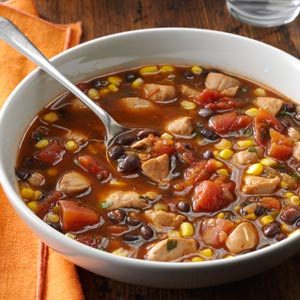
Recipe: Mexican-Style Chicken Soup


 B Vitamins are found in animal protein and many vegetables and legumes. While it is necessary for WLS post-ops to include a Vitamin B supplement in their nutrition management, mindfully enjoying foods rich in vitamins and nutrients is also beneficial to our nutritional health and overall sense of well-being. Try this Mexican-Style Chicken Soup, a featured recipe from Cooking with Kaye, page 67.


Review your knowledge of the B Vitamins in this blog post: Why we need to supplement B Vitamins after WLS


Mexican-Style Chicken Soup

~Freeway Chef, big spicy flavor,
convenient ingredients

This colorful and flavorful soup comes together quicker than you can say taco take-out. The traditional flavors of Mexican food are showcased in this nutrition-packed soup. This is a fine use for leftover chicken or turkey.


Ingredients:

1 tablespoon canola oil

1 large onion, chopped

1 large red sweet pepper, seeded, chopped

1½ teaspoons chili powder

1 teaspoon ground cumin

2 (14.5-ounce) cans reduced sodium chicken broth

2 cups water

1 (14.5-ounce) can Mexican-style stewed tomatoes

1 (15-ounce) can black beans, rinsed and drained

1 (8-ounce) package butternut squash, cut to ½-inch dice

2 cups cooked chopped chicken meat, boneless, skinless

1 cup frozen whole kernel corn

¼ cup fresh cilantro, chopped or ¼ cup fresh parsley, chopped


Directions: In a large 4-quart Dutch oven heat canola oil over medium high heat. Add onion, red pepper, chili powder, and ground cumin and cook about 5 minutes until tender. Add chicken broth, water, and tomatoes. Bring to a boil. Add black beans, squash, chicken, and corn and return to boil.  Lower heat to a simmer, cover, and cook 20 minutes. Stir in cilantro or parsley and serve immediately.


Nutrition: Serves 6. Each 1½-cup serving provides 267 calories, 27 grams protein, 6 grams fat, 29 grams carbohydrate, 7 grams dietary fiber.
 
Try This: In place of the stewed tomatoes use a 16-ounce jar of your favorite salsa. ~ Garnish soup with a dollop of sour cream, chopped fresh avocado, shredded cheese, or sliced fresh green onions.


Cooking with Kaye: Methods to Meals
Protein First Recipes You Will Love

Comb Bound Hardback - 220 pages
http://www.livingafterwls.com/General_Store/General_Store/books.html#CWK
Kaye Bailey's highly anticipated cookbook.   134 Irresistible Recipes - Tips & Hints - Nutritional Wisdom.  Introducing Kaye's "Pace of Preparation"Kaye Bailey's all-new highly anticipated cookbook is a hit in the WLS community. Written for the weight loss surgery patient and the people they cook for, this hard-back comb bound cookbook features 134 all new recipes and detailed techniques to take you beyond the meal to create recipes you and your family will love. Must have for any WLS household. Introducing Kaye's new "Pace of Preparation" to identify recipes that meet your time schedule and serve your dietary needs. Meals for the blended household (WLS & non-WLS eaters), couples, singles, all of us. Recipe categories include soups, salads, crunchy protein, savory skillet meals, oven baking and roasting, braising and slow cooking. Enjoy something delicious today: get Cooking with Kaye. Cooking with Kaye is suitable for all bariatric procedures including gastric bypass, adjustable gastric banding, gastric sleeve and others.
See our eBook publication of Cooking with Kaye: Link Here Cooking With Kaye: back cover

Supporting your weight loss surgery health management goals one delicious meal at a time.


Sale Price: $23.95
Complimentary Goody Bag with purchase
(Publishers Price: $27.95 - Save $4)
ISBN: 978-1-62890-184-9
SKU #LAWLS-CWKM2M

Reserve my copy of Cooking with Kaye

Visit the LivingAfterWLS Store
 

Vitamins: A Do or Don't after WLS?

Published Today: LivingAfterWLS Weekly Digest
Vitamin Supplements: What you need to know now
Link to the newsletter: LAWLS Digest: Vitamins
 
You most likely heard the news earlier this week shouting, "Stop wasting your money on vitamin supplements!" This headline was pulled from the Annals of Internal Medicine in which the authors of an editorial conclude there is no evidence that routine use of vitamin and mineral supplements brings health benefits. The editorial stated, "The routine use (of vitamins) is not justified and they should be avoided. This message is especially true for the general population with no clear evidence of micronutrient deficiencies, who represent most supplement users in the United States and in other countries."
Those are strong words and mainstream media took notice with many news broadcasts and newspapers repeating the headline to stop wasting money on vitamins.
I've read many arguments for and against the use of vitamin supplementation over the last few days. The common factor in my research indicates these studies and expert opinions are intended for the general population of people who eat a balanced diet of nutrient dense food and who have no mitigating health circumstances. I'm not sure I know anyone who fits into that general population.
When we consented to have a surgical weight loss procedure we committed to a lifetime of following a carefully prescribed diet that most likely includes the use of vitamin and mineral supplements. We understood before surgery that our the low caloric intake after surgery and decreased absorption efficiency would require supplementation to meet our basic nutritional needs. Our bariatric surgeon and nutritionist prescribed specific supplementation to each of us. This prescription is to be followed throughout the course of our life with adjustments being made by us in collaboration with our health care team as nutritional needs change. Our nutritional needs are monitored with blood tests, overall health and well being, and life stages.
Today's digest offers many features regarding vitamin supplements and the weight loss surgery patient. I encourage you to spend time reviewing your personal vitamin and mineral supplementation. Are you getting all the nutritional support you need with diet and supplementation? Are you following the vitamin protocol prescribed at the time of surgery? Are you monitoring your nutritional wellness with blood tests and assessment of your overall health and well being?
I realize this is a particularly busy time of year to be asking one more thing of you. If you don't have time today to give thought to this topic save your newsletter to read later. Give it a good look-over when you have downtime before the new year begins. Set a goal to get your nutritional health in tip-top shape in 2014. Can you think of a better gift to give yourself?  Consider using our LivingAfterWLS Personal Self-Assessment Worksheet as part of your goal. Using it reminds us how far we have traveled and where we would like to go. Download the worksheet in pdf format: Self-Assessment Worksheet
I am grateful for all of you in the LivingAfterWLS community who work very hard every day to live healthier and manage your weight with the surgical tool. May your holidays be bountiful and celebrated with heartfelt gratitude. I wish you the best this holiday season and always.  Thanks for LivingAfterWLS with me!

Cheers! Kaye 


Published Today: LivingAfterWLS Weekly Digest
Vitamin Supplements: What you need to know now
Link to the newsletter: LAWLS Digest: Vitamins

Featured in Today's Digest:
Refresher: The B Vitamins
Using Dietary Supplements Wisely
What vitamin supplement is best for me?
Holiday Tips: Stay on Track & Enjoy
Recipe: Chicken breasts with apple stuffing

Link Now: 
LAWLS Digest: Vitamins

Why we need to supplement B Vitamins after WLS

Refresher Course: The role of B vitamins after WLS

By Kaye Bailey

Weight loss surgery patients are advised to compliment their diet with a vitamin B supplement often taken in sublingual tablet form or by monthly injections. Some surgical procedures for weight loss inhibit absorption of the B vitamins which may result in deficiency. In addition, the low calorie high protein diet following bariatric surgery does not provide adequate dietary intake of B vitamins. Patients should follow the specific directions of their bariatric center when taking B vitamin supplements. Annual blood tests are needed to ensure deficiencies are quickly identified and treated.

The B vitamins are eight water-soluble vitamins that play important roles in cell metabolism.

B vitamins are found in all whole, unprocessed foods. B vitamins play a key role in supporting and increasing the rate of metabolism; maintaining healthy skin and muscle tone; enhancing the immune and nervous system; promote cell growth and division; including that of the red blood cells that help prevent anemia; and may reduce the risk of pancreatic cancer.

Vitamin B1: Thiamine
Thiamine is highly concentrated in yeast so cereal grains are an important source of this vitamin that is essential in helping the body transform food into energy and contributes to brain, nerve cell, and heart function. Pork, fish, sunflower seeds, rice, and pasta also supply good amounts of thiamine. Many processed foods are enriched with thiamine. The Reference Daily Intake (RDA) of thiamine is 1.4mg, however some studies suggest intake of 50mg increases mental alertness. Thiamine absorption occurs in the jejunum and ileum, therefore gastric bypass and gastric sleeve patients have decreased opportunity for vitamin B1 absorption from food.

Vitamin B2: Riboflavin
Riboflavin is found in dairy products, lean meats, eggs, nuts, legumes, leafy greens, and enriched breads and cereals. It plays an essential roll in the production of red blood cells, energy production, and growth. Riboflavin is an easily absorbed micronutrient that is best known visually as the vitamin which imparts the orange color to solid B-vitamin supplements. People who take a high-dose B-complex will notice an unusual fluorescent yellow color in their urine as they slough off excess vitamin B2. Riboflavin is continuously excreted in the urine of healthy individuals, making deficiency relatively common when dietary intake is insufficient. Visible symptoms of riboflavin deficiency included cracked and red lips, inflammation of the lining of mouth and tongue, mouth ulcers, cracks in the corner of the mouth, and a sore throat. The RDA for vitamin B2 is 1.3mg/day for men and 1.1mg/day for women. Most vitamin B complex supplements provide a much higher dose of riboflavin.

Vitamin B3: Niacin
Like thiamine, niacin is important in the conversion of food to energy. It is also required for normal growth and the synthesis of DNA and helps keep the skin, nerves, and digestive system healthy. Niacin occurs naturally in lean meat, poultry, and seafood. Milk, cereals, and some dietary meal replacement bars and drinks are fortified with niacin. The RDA of niacin for men is 16mg and women 14mg. Extreme dosages (1.5-6 grams/day) of niacin may cause flushing and itching and may also elevate blood sugar. Standard supplementation should not result in this toxic reaction.

Vitamin B5: Pantothenic Acid
Pantothenic acid also helps the body convert food into energy and plays a role in synthesizing hormones and other body chemicals. Deficiencies of pantothenic acid are virtually unknown. The name pantothen is Greek meaning "from everywhere" and small amounts of pantothenic acid are found plant and animal food sources including grains, legumes, eggs, meat, and poultry. The RDA for both men and women is 5mg/day.

Vitamin B6: Pyridoxine
Pyridoxine is important in the utilization of protein and in the production of red blood cells. It works with other B vitamins to boost the immune system and produce antibodies. Good sources of B6 are chicken, beef, fish, beans, bananas, and enriched cereals. Pyridoxine is not commonly found in plants.

Vitamin B7: Biotin
We frequently hear about the role biotin plays in hair and skin growth but this powerful vitamin also plays a key role in the metabolism of proteins and carbohydrates into energy. Studies indicate biotin may also be helpful in maintaining a steady blood sugar level. Biotin is found in eggs, dairy products, legumes, whole grains and cruciferous vegetables. People in the phase of rapid weight loss following weight loss surgery often experience hair loss, which may be the result of biotin deficiency. Increased biotin supplementation immediately following surgery may lower the risk of hair loss due to biotin deficiency.

Vitamin B9: Folic Acid
This B vitamin - also called folate or folacin, is vital to tissue growth and plays a role in the prevention of certain birth defects. It is important for women of childbearing age to get enough of this nutrient. It is believed folate may also help prevent certain cancers and help prevent heart disease. Good sources of folate include artichokes, asparagus, avocado, blackberries, broccoli, brussels spouts, chickpeas, green peas, lentils, orange juice, raw peanuts, pinto beans, romaine lettuce, spinach, wheat germ and wild rice. Many cereals and refined grain products are fortified with folate.

Vitamin B12: Various Cobalamins
Vitamin B12 plays a role in the formation of red blood cells and in the functioning of the nervous system and it enables the body to utilize folate. Called cobalamin, vitamin B12 is plentiful in meat, poultry, fish, eggs, and dairy products.

Kaye Bailey (c) 2010 - All Rights Reserved

Article syndicated by EZineArticles: WLS patients need B vitamins